Tulum, Mexico, is one of the few destinations where you can explore ancient Mayan temples in the morning and relax in a jungle-chic boutique villa by evening. The architecture of Tulum blends:
This guide by Casa Nalum breaks down Tulum architecture so you can appreciate both the ancient city and the new design wave shaping the town today.
Table of Contents
- What Makes Tulum, Mexico, Architecture Unique?
- Ancient Tulum Ruins: The First Example of Architecture in Tulum
- Modern Tulum Architecture
- Sustainability and Eco Resorts: The Future of Tulum
- The Cultural Influence Behind the Architecture
- How Mayan Cosmology Shapes Architectural Choices
- Influence of the Bohemian and Wellness Community
- Art, Craft, and Local Traditions
- How to Experience Tulum, Mexico, Architecture in Person
- Conclusion
- Frequently Asked Questions
What Makes Tulum, Mexico, Architecture Unique?
Tulum stands out because it combines three powerful design influences:
- Ancient Mayan coastal city planning
- Low-rise and eco-focused contemporary resort design
- Natural materials that enhance indoor and outdoor living
Understanding this mix helps travelers and design lovers see Tulum as more than a beach town. It is an active design laboratory shaped by landscape, culture, and climate.
Ancient Tulum Ruins
Key Features of Mayan Coastal Architecture
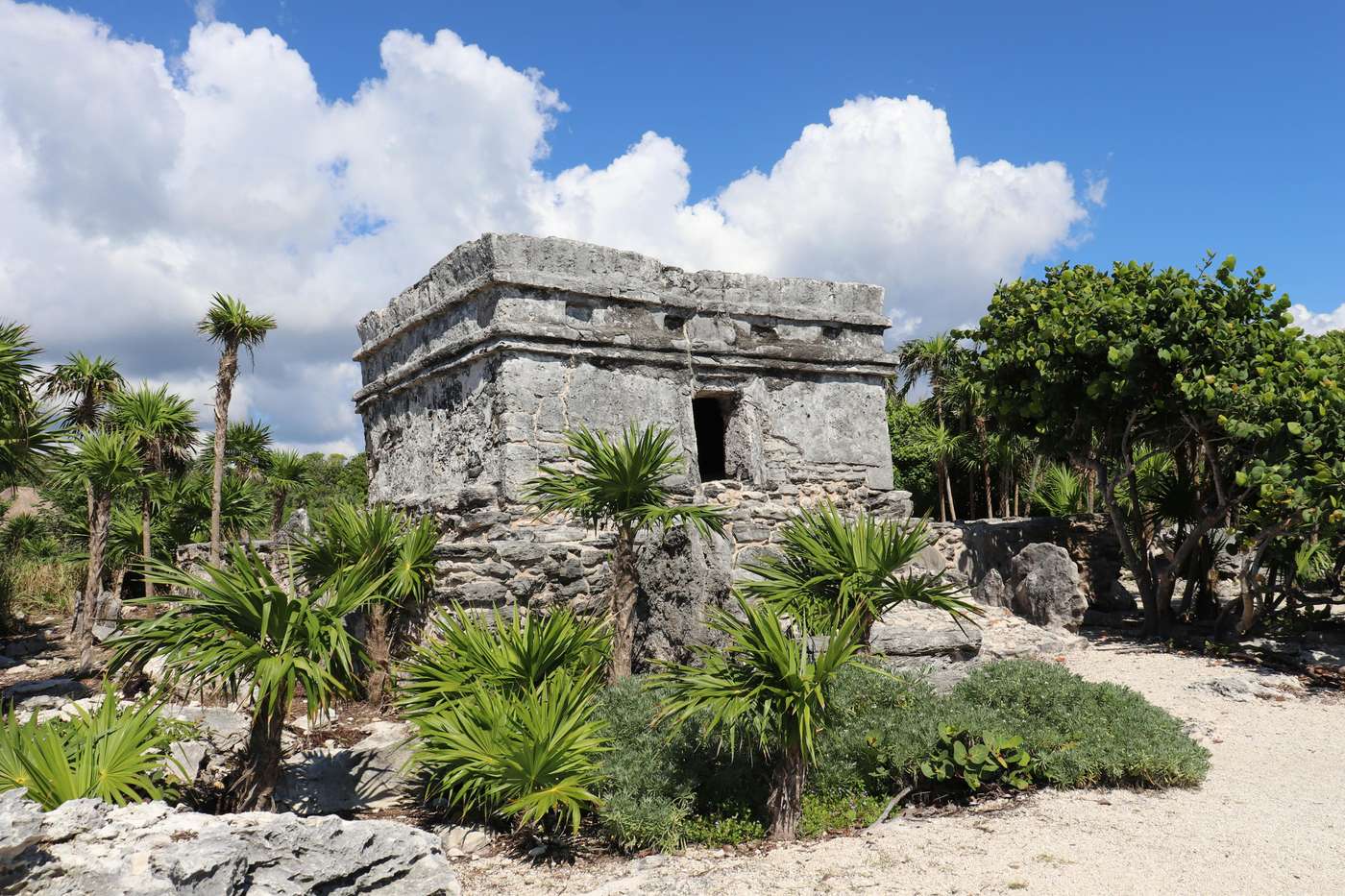
The original Tulum is a walled Mayan city built directly on sea cliffs. Its architectural style includes:
- Low raised platforms beneath buildings
- Narrow openings that create a defensive feeling
- Flared upper walls with horizontal moldings
- Simple stone roofs rather than towering stepped pyramids
This compact layout reflects Tulum’s role as a coastal trading and ceremonial center.
Important Structures in the Tulum Archaeological Zone
El Castillo, The Castle
A cliffside temple with incredible views of the Caribbean. Scholars believe it may have guided seafaring traders with torchlight due to its position above the water.
Temple of the Frescoes
A two-story building that served as an observatory. The interior once held colorful murals that illustrated religious symbolism and astronomical cycles.
Temple of the Descending God
Recognizable by the carved figure diving headfirst from the sky. This symbol of renewal and cosmic energy appears across many structures at the site.
Defensive Walls
Tulum is one of the only major Mayan cities fully enclosed by walls. Three sides are surrounded by thick stone fortifications, while the fourth side is protected by a steep cliff.
Modern Tulum Architecture
Once you leave the ruins and head toward the beach or town, the architecture becomes contemporary but still honors nature and climate.
Signature Materials in Modern Tulum Design
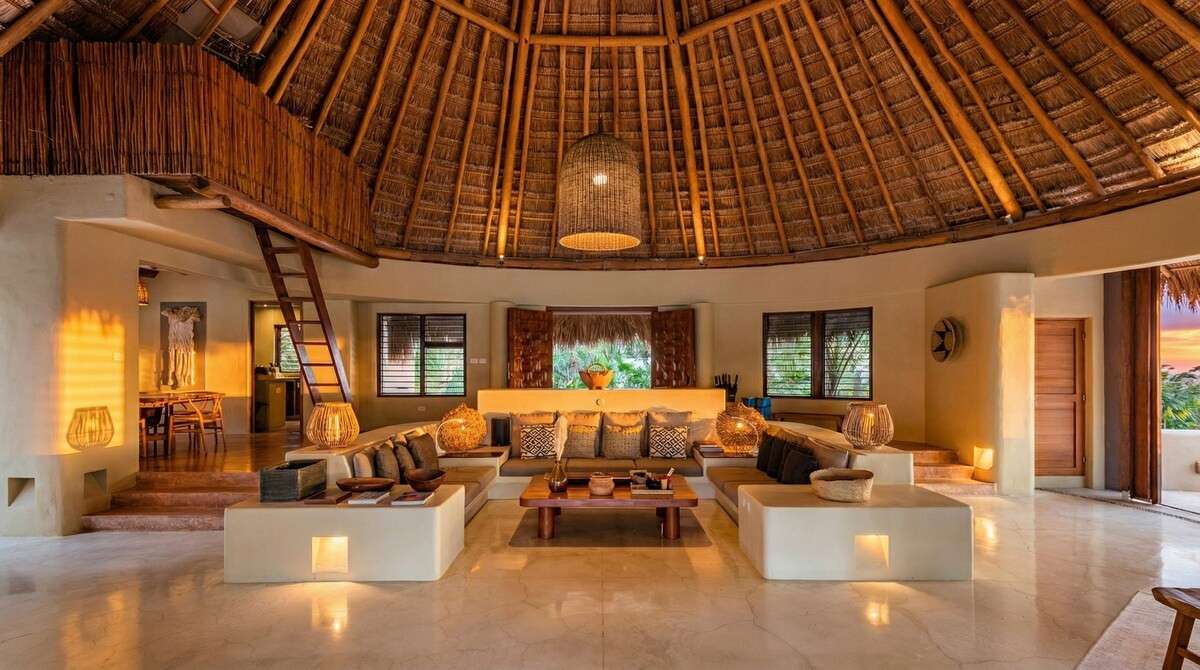
Modern architecture in Tulum often uses materials that work well in tropical humidity and blend with the environment:
Chukum plaster. A natural lime-based finish made with sap from the chukum tree. It produces matte, earthy walls that feel organic.
Local stone. Perfect for exterior walls, garden paths, and facades.
Bamboo and native hardwoods. Used for pergolas, screens, trellises, and sculptural roofs.
Microcement floors. Seamless and cool underfoot, ideal for tropical heat.
These materials allow buildings to merge with the jungle instead of overwhelming it.
Common Design Elements in Tulum Architecture
You will notice a consistent aesthetic across hotels, restaurants, and villas:
Indoor outdoor living
Wide openings, pivot doors, or sliding panels create airflow and bring nature into the space.
Flat roofs and rooftop terraces
Roofs double as lounges, yoga decks, or sunset viewing areas.
Earth tone colors
Beige, sand, stone, olive, and terracotta dominate the palette.
Organic, sculptural shapes
Rounded corners, circular windows, and curved staircases soften the geometry of buildings.
In some properties, bamboo or timber structures create nest-like or wave-like shapes that echo the coastline.
This design language gives modern Tulum architecture its warm, earthy, instantly recognizable look.
Sustainability and Eco Resorts
What Real Sustainability Looks Like in Tulum
Authentic eco architecture in Tulum often includes:
- Preserving existing trees during construction
- Rainwater capture and greywater recycling
- Natural cross ventilation instead of constant air conditioning
- Responsible wastewater treatment to protect cenotes
- Reduced or renewable energy usage
These features help reduce pressure on Tulum’s fragile aquifer, beaches, and rainforest.
Development Rules and Protected Areas
With high tourism growth, Tulum now has stricter environmental protection policies, including limits in sensitive areas. New development often must consider:
- Building height and density
- Environmental impact research
- Waste and water treatment requirements
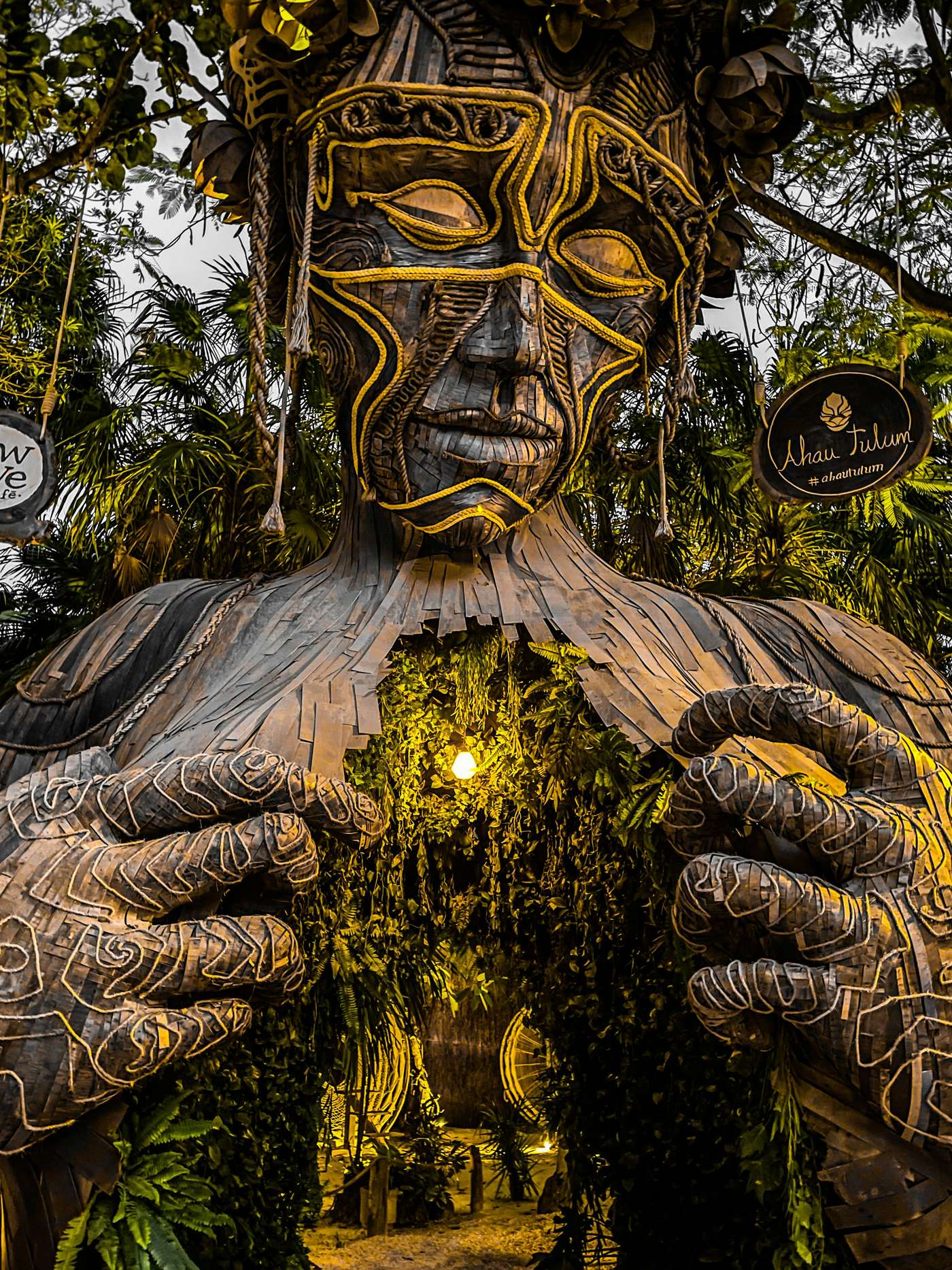
These efforts push architects to design lighter, smarter buildings that respect the jungle and coastline. Just like Casa Nalum, which design is inspired by the old Mayan style of building and its spaces.
The Cultural Influence Behind the Architecture
Understanding Tulum, Mexico’s architecture, requires more than looking at materials and shapes. The region’s design identity is deeply influenced by the culture, spirituality, and lifestyle of the Maya, as well as the modern bohemian community that has transformed Tulum into a creative hub. Architecture here is not just a style. It is a philosophy shaped by climate, tradition, and a desire to feel connected to nature.
How Mayan Cosmology Shapes Architectural Choices
Ancient Mayan architecture was based on astronomical and spiritual principles. Structures aligned with the sun, stars, and solstices. Buildings created specific shadows during key dates of the solar calendar. Although modern Tulum architecture does not replicate these precise astronomical alignments, the spirit of connection to natural cycles remains.
Some modern structures incorporate:
- Vertical openings that frame the sunrise
- Courtyards that create sun and shadow play
- Pathways aligned with breezes or daylight
- Circular spaces that echo ancient ceremonial centers
These subtle influences connect present-day Tulum with its ancestral past without copying ancient structures outright. Many architects intentionally design with the idea that a building should feel “alive,” always interacting with sunlight, shadow, wind, and vegetation.
Influence of the Bohemian and Wellness Community
Tulum has become a global center for wellness, yoga retreats, meditation, sound healing, and holistic living. This cultural wave strongly impacts architecture.
Buildings often include:
- Open-air yoga decks
- Circular meditation spaces
- Natural pools or cenotes incorporated into design
- Hammock terraces and shaded lounging areas
- Quiet nooks for privacy and grounding
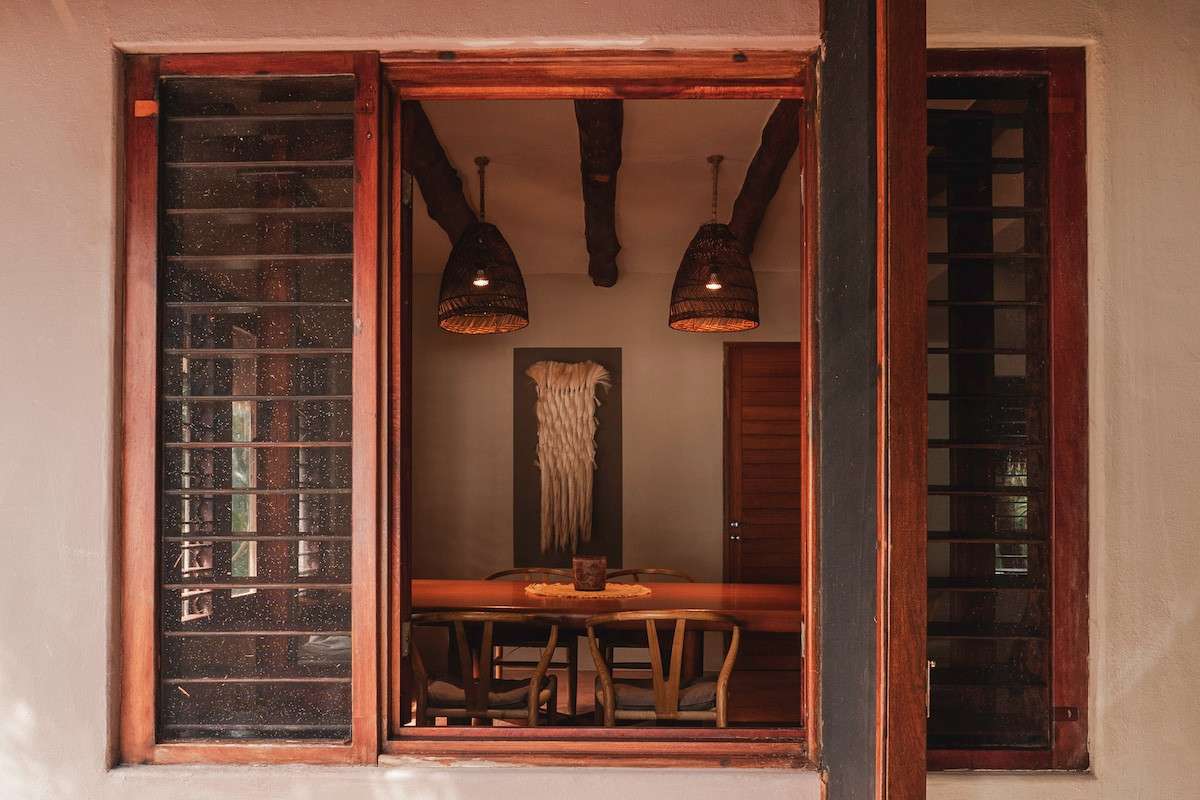
Designers rarely use harsh angles or polished metallic finishes. Instead, they mirror a slower, calmer lifestyle. Surfaces are soft and tactile, furniture is low to the ground, and spaces flow gently from one area to another. Many villas are created specifically for retreats, creative workshops, or wellness gatherings, which shapes everything from room placement to lighting.
Art, Craft, and Local Traditions
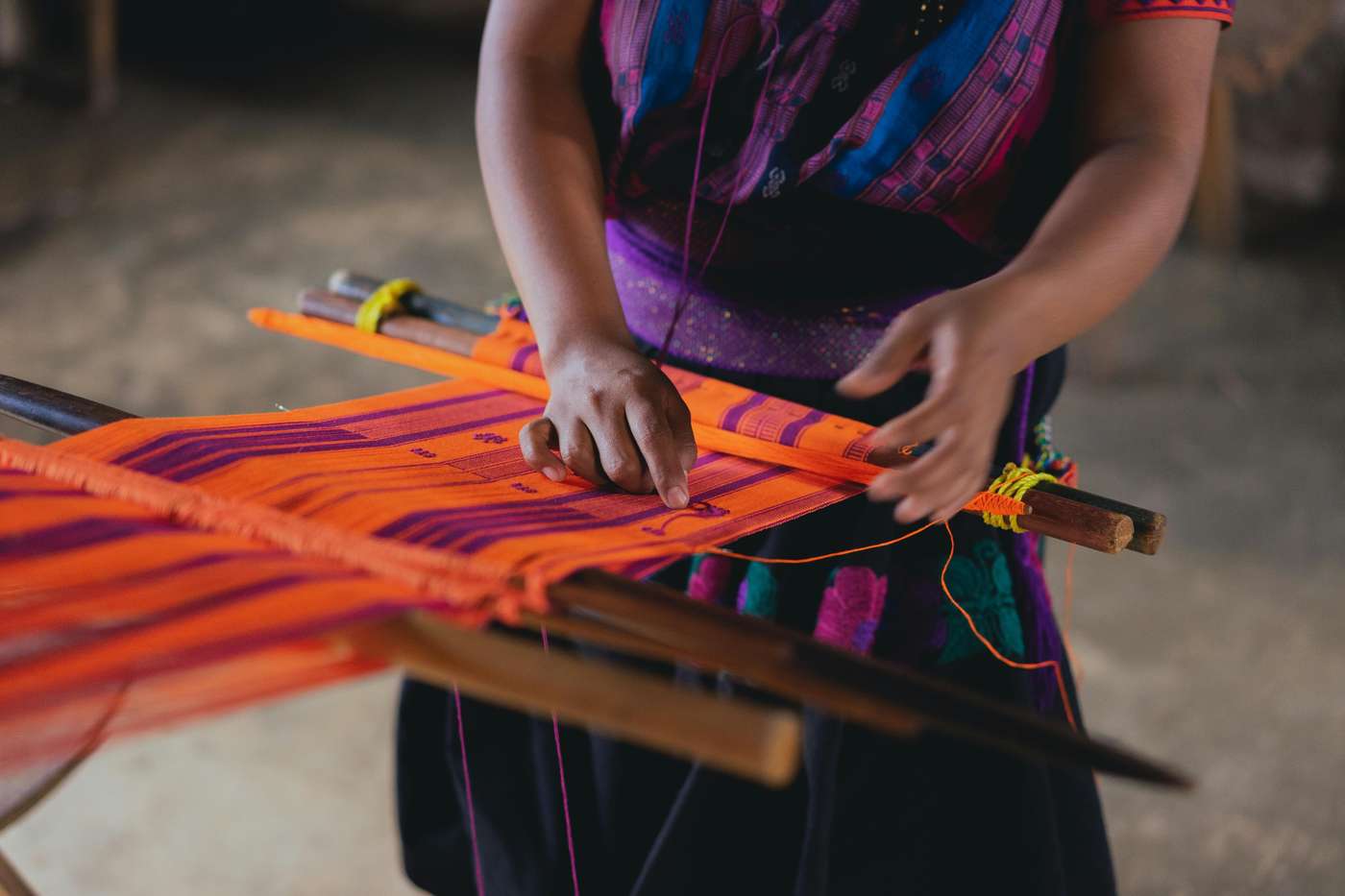
Handcrafted elements are extremely important in Tulum, Mexico, architecture. Instead of overly industrial materials, developers and homeowners often collaborate with local artisans. This not only supports the community but also helps preserve cultural traditions.
Common artisan contributions include:
- Woven palm leaf ceilings
- Hand-carved wooden doors
- Stone mosaics
- Macramé panels and wall art
- Palm thatched palapas
- Locally fired clay lamps
- Handwoven textiles and rugs
Because many of these pieces are made by hand, each building gains its own personality rather than looking mass-produced. The result is a warm, soulful architectural style that feels both luxurious and handmade at the same time.
How to Experience Tulum, Mexico, Architecture in Person
1. Visit the Tulum Archaeological Zone
- Arrive early or late for cooler temperatures and softer light.
- Walk the entire site to see how the walls and cliffs connect.
- Study the carvings, moldings, and wall angles to understand Mayan craftsmanship.
2. Stay in a Designed Boutique Villa
Look for villas that use:
- Chukum, stone, and natural finishes
- Shaded terraces and natural ventilation
- Preserved jungle paths and tree cover
- Thoughtfully planned rooftop spaces
These are signs that a property respects the core principles of Tulum architecture.
3. Explore Design Forward Neighborhoods
Walk or bike through areas like Aldea Zama and other residential zones:
- Notice how homes hide behind greenery or solid perimeter walls.
- Pay attention to how courtyards, pools, and gardens blend into the architecture.
- Look for creative uses of arches, textures, and soft shapes.
Conclusion
Tulum, Mexico’s architecture is far more than a visual trend. It is a living expression of heritage, climate, creativity, and respect for the natural world. From the ancient Mayan city that still watches over the Caribbean to the modern eco resorts and handcrafted jungle homes that define the area today, every part of Tulum’s design story is rooted in connection. Connection to the land, to culture, to community, and to a slower, more intentional way of living.
If you are ready to witness the architecture scenery in Tulum and experience it first-hand by staying in a masterpiece itself, book your stay with us today!
Frequently Asked Questions
What is Tulum architecture style?
Tulum’s architecture blends ancient Mayan influence with modern tropical minimalism. It features natural materials like chukum plaster, stone and wood, soft earth tone colors, open air layouts, and strong indoor outdoor connections. Modern buildings often use organic shapes and eco friendly design that blends with the jungle and coast.
What is so special about Tulum, Mexico?
Tulum is special for its combination of natural beauty, cultural history, and modern design. Visitors can explore seaside Mayan ruins, swim in clear cenotes, and stay in boutique eco resorts that use natural materials and sustainable architecture. This mix of archaeology, wellness and design gives Tulum its unique atmosphere.
Is Tulum Aztec or Mayan?
Tulum is Mayan. The ancient city was built and inhabited by the Maya and served as a major coastal trading port. All ruins in Tulum reflect Mayan architecture and culture. The Aztec civilization was located in central Mexico, far from Tulum.
What is Mexican style architecture called?
Traditional Mexican architecture is commonly called Mexican Colonial, Spanish Colonial or Mexican Vernacular. These styles include stucco walls, courtyards, terracotta tiles and arched doorways. Modern Mexican architecture blends minimalism with local materials such as stone, concrete and wood. Tulum’s modern style is a subset of this movement, focused on natural textures and eco conscious design.