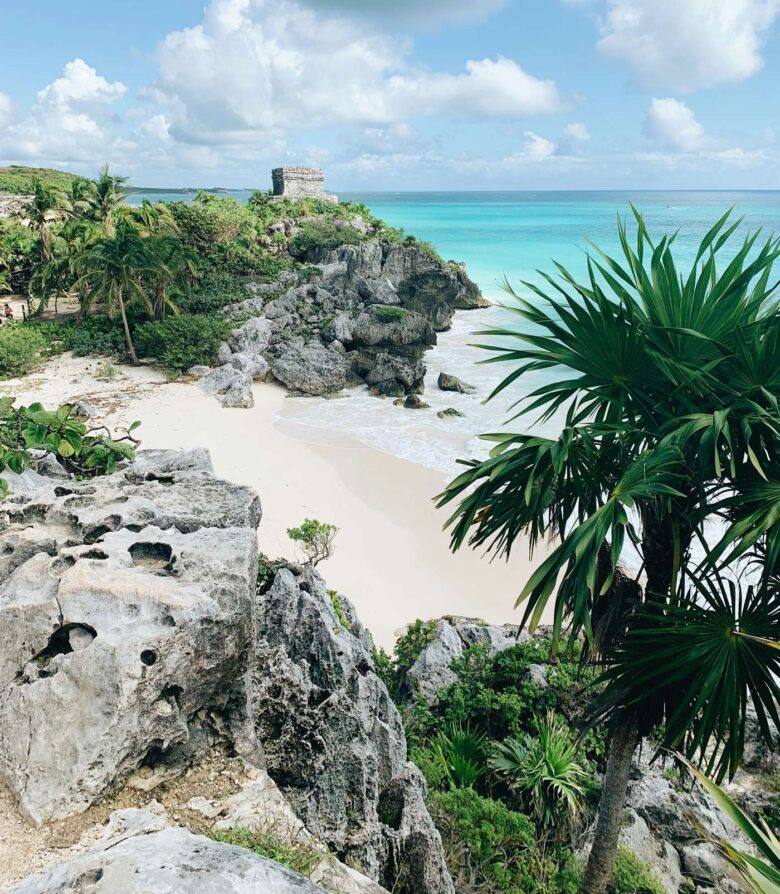
Choosing between Puerto Escondido and Tulum is really a choice between two coasts, two rhythms, and two very different kinds of Mexico. One faces the wild Pacific with world-class surf, golden sunsets, and Oaxacan flavors on every corner. The other opens onto the calm Caribbean, framed by cenotes, Mayan ruins, and the biosphere reserve we call home.
We wrote this guide from the eco-villa side of Tulum, tucked inside the UNESCO Sian Ka’an Biosphere Reserve. That means we know Quintana Roo intimately, and we also know why so many of our guests ask about the Oaxacan coast. Here is the honest Puerto Escondido vs Tulum breakdown for 2026, with real prices, real places, and a clear answer to which one fits your trip.
The Quick Answer
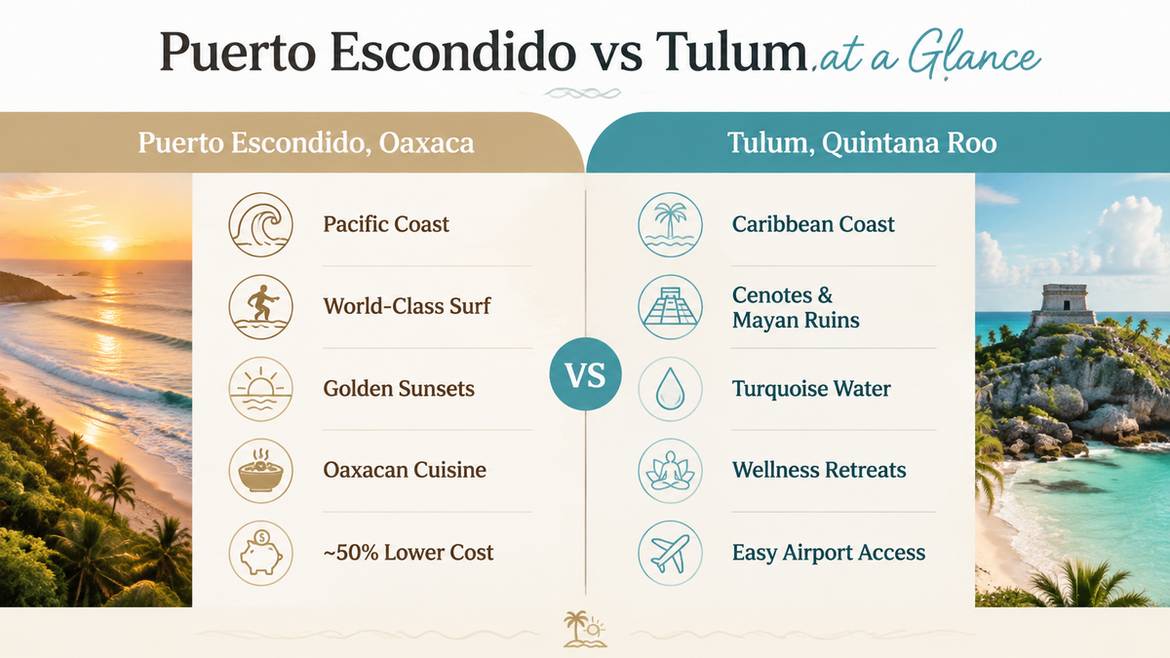
If your dream is a surf-and-sunset town with lower prices, Oaxacan food, and a laid-back bohemian energy, choose Puerto Escondido. If your dream is turquoise Caribbean water, cenotes, jungle-luxe hotels, Mayan ruins, and easier international access, choose Tulum.
In 2026, the numbers back that up. A recent digital-nomad cost comparison put a comfortable monthly lifestyle at roughly $1,200 USD in Puerto Escondido and $2,500 USD in Tulum, a swing of about 52 percent. Villa rentals in Puerto Escondido tend to run 30 to 50 percent cheaper than comparable stays in Tulum, and a family of four can visit Puerto Escondido for around half of what the same five days would cost in the Riviera Maya. Tulum wins on flight access, cenote density, and the polished eco-luxury scene that made it famous.
Both are safe with normal precautions, both are gorgeous, and both are absolutely worth a trip. The rest of this guide breaks down each side so you can decide with confidence.
Vibe: Pacific Surf Town vs Caribbean Boho-Luxury
Puerto Escondido still feels like a real Mexican beach town. The streets are sandy, the pace is slow, and the crowd skews toward surfers, backpackers, digital nomads, and Mexican families on vacation. La Punta is the bohemian corner: yoga studios, vegan cafes, hostels, and beach bars that stay open just late enough. Zicatela is the surf and party heart. El Adoquin, the old downtown pedestrian strip, fills with vendors, families, and live music every evening from about 5 to 8 pm.
Tulum trades that surf-town looseness for eco-luxury design. Boutique hotels are woven into the jungle, restaurants are chef-driven and beach-forward, and wellness retreats book out months in advance. The beach road is polished and Instagram-heavy. Tulum Pueblo, the inland town, keeps the mood more local and affordable. In 2026 Tulum is undeniably busier and pricier than it was five years ago, but the natural setting, cenotes, and Caribbean water are still unmatched.
If you want authenticity and surf, Puerto wins. If you want curated design and warm calm water, Tulum wins.
Puerto Escondido Highlights (Pacific Coast)
Puerto Escondido is a cluster of neighborhoods and beaches strung along the Oaxacan coast. Here are the places locals and repeat visitors send you to first.
Playa Zicatela
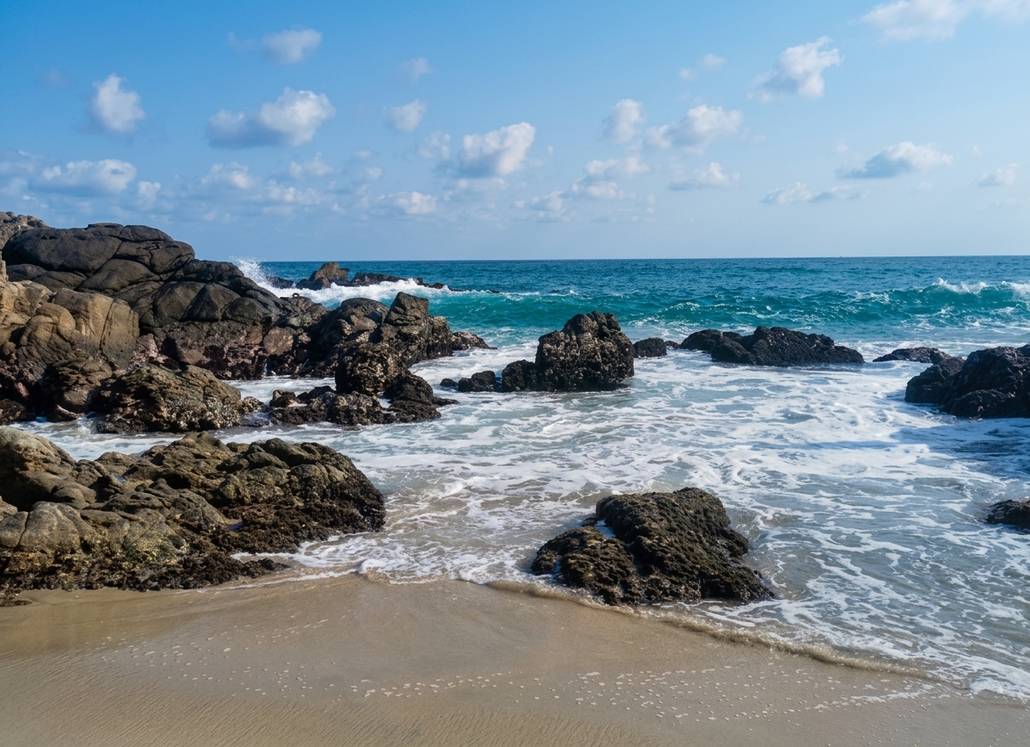
The main event, and the reason surfers around the world know Puerto’s name. Zicatela is a 3.5 km stretch of golden sand with heavy Pacific swells known as the Mexican Pipeline. Sunsets here are on the shortlist of the best in Mexico. Guests do warn about the strong shore break, so this is a beach to walk, watch, and sip a beer at, not swim in casually.
- Rating: 4.7 (2,311 reviews)
- Best for: Advanced surfing, sunset walks, beachfront bars
- Address: Playa Zicatela, Oaxaca, Mexico
- Tip: The best surf window runs October and November when barrels peak
- View on Google Maps
La Punta Zicatela
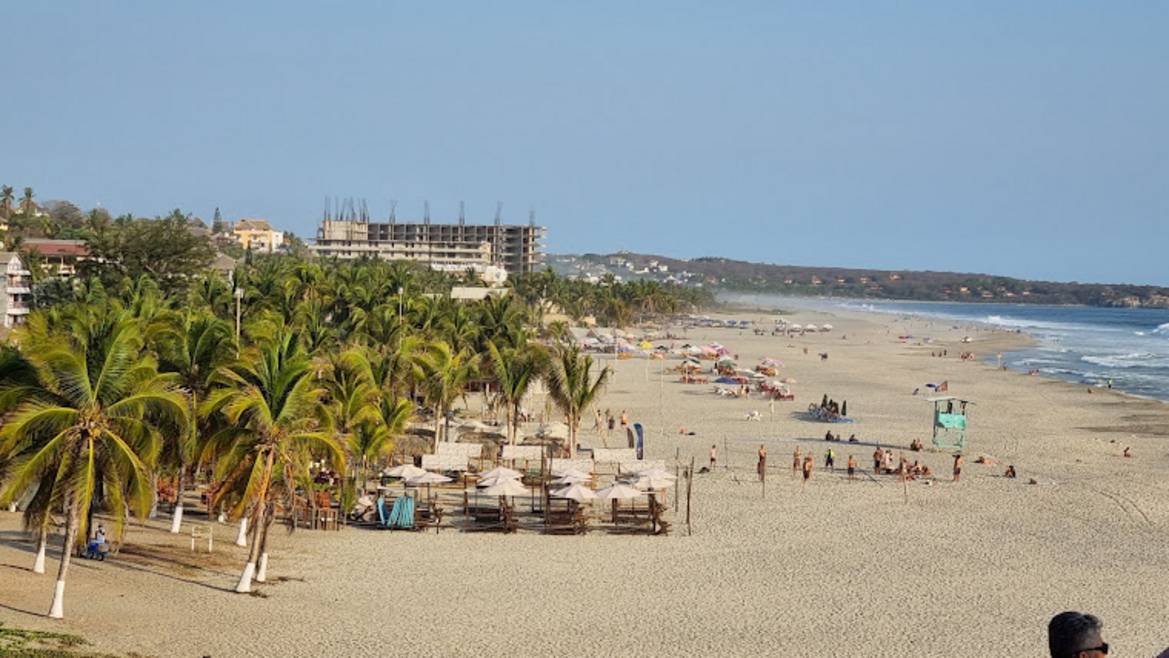
At the far end of Zicatela, La Punta is the boho-yoga-surf-lesson corner of Puerto. Waves here are softer than on the main beach, which makes it the go-to for beginner and intermediate surfers. The sandy streets are lined with plant-based cafes, hostels, artisan shops, and low-key beach clubs where the music is quiet enough for conversation.
- Rating: 4.7 (649 reviews)
- Best for: Surf lessons, sunset yoga, casual beach hangs
- Address: Heroes Oaxaquenos 33, Brisas de Zicatela, Puerto Escondido
- Guest note: “Gorgeous setting, the sunsets were spectacular.”
- View on Google Maps
Playa Carrizalillo
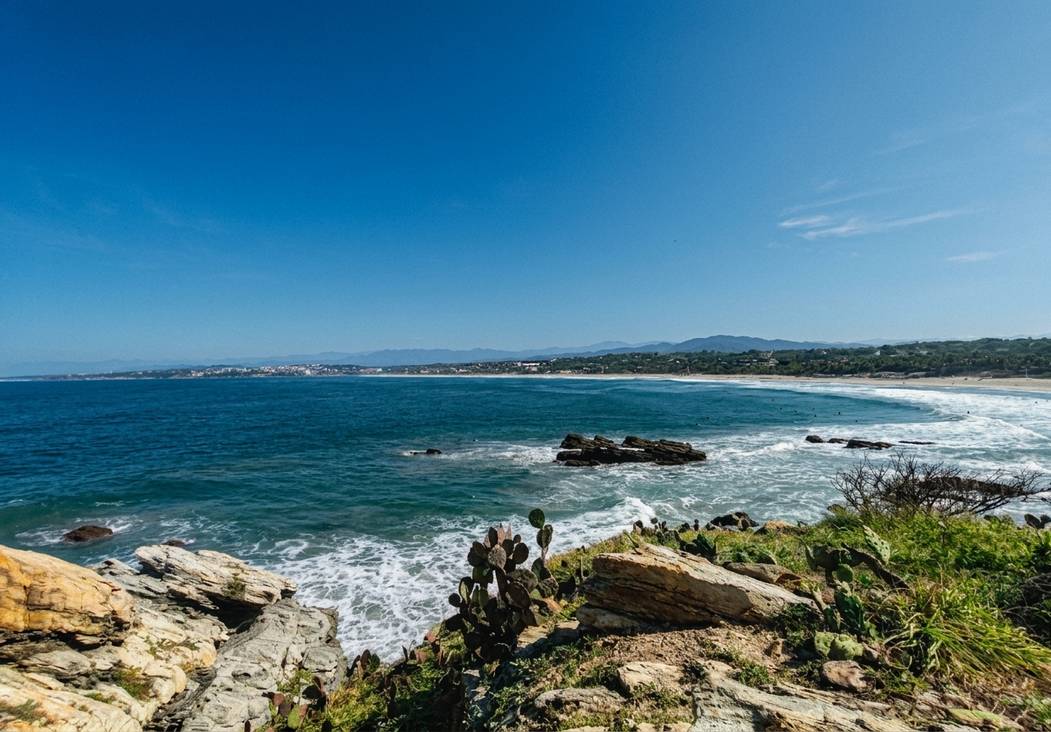
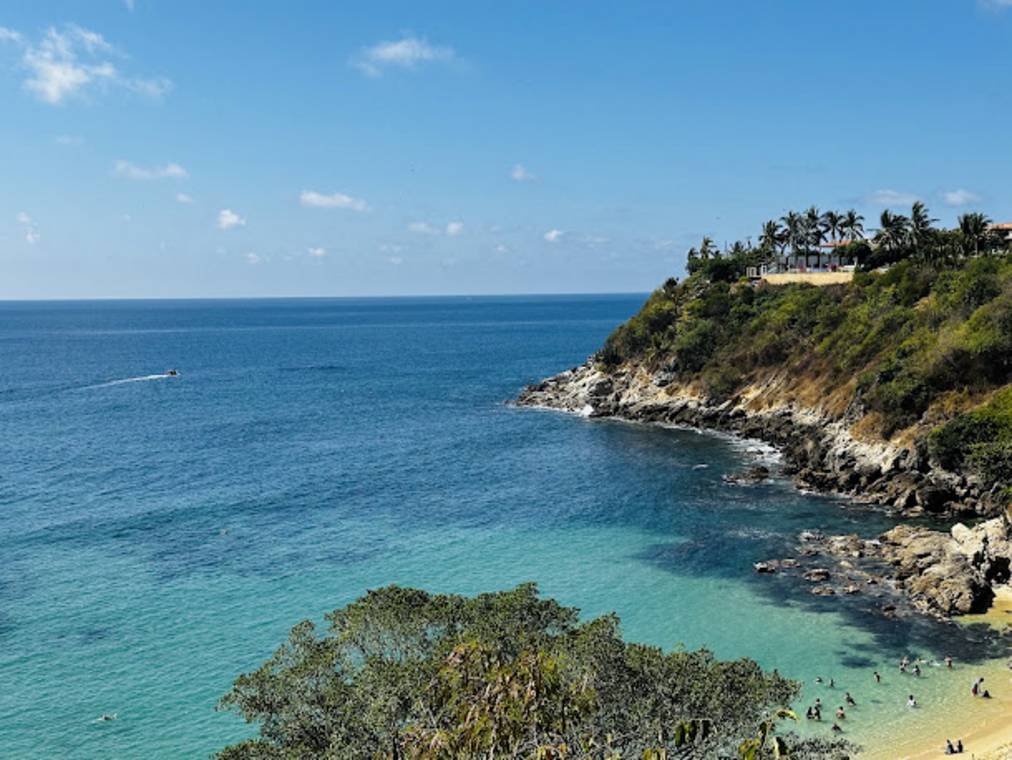
A tiny horseshoe cove reached by 167 concrete steps down the cliff, Carrizalillo is Puerto’s most photogenic swim beach. The cove is protected, so waves are gentle enough for kids, snorkeling, and first-time surfers. Palapa restaurants rent loungers and serve cold micheladas straight to your umbrella.
- Rating: 4.5 (1,453 reviews)
- Best for: Swimming, snorkeling, learning to surf
- Address: Rinconada, Puerto Escondido, Oaxaca
- Guest note: “Chill, free beach to spend the mornings. The palapas rent camastros for low prices.”
- View on Google Maps
Playa Bacocho and the Baby Turtle Release
Bacocho is the long, quiet, upscale-residential stretch on the west side of town. It is a favorite for sunsets and for the daily baby sea turtle release run by a local conservation group at around 5 pm. A small donation (about 150 pesos) lets you set a hatchling into the surf yourself, which is a lasting memory for kids.
- Rating: 4.7 (1,204 reviews)
- Best for: Sunsets, turtle releases, quieter beach days
- Address: Bacocho, 71983 Puerto Escondido, Oaxaca
- Tip: Arrive 30 minutes early to get a good spot on the sand
- View on Google Maps
Manialtepec Lagoon Bioluminescence
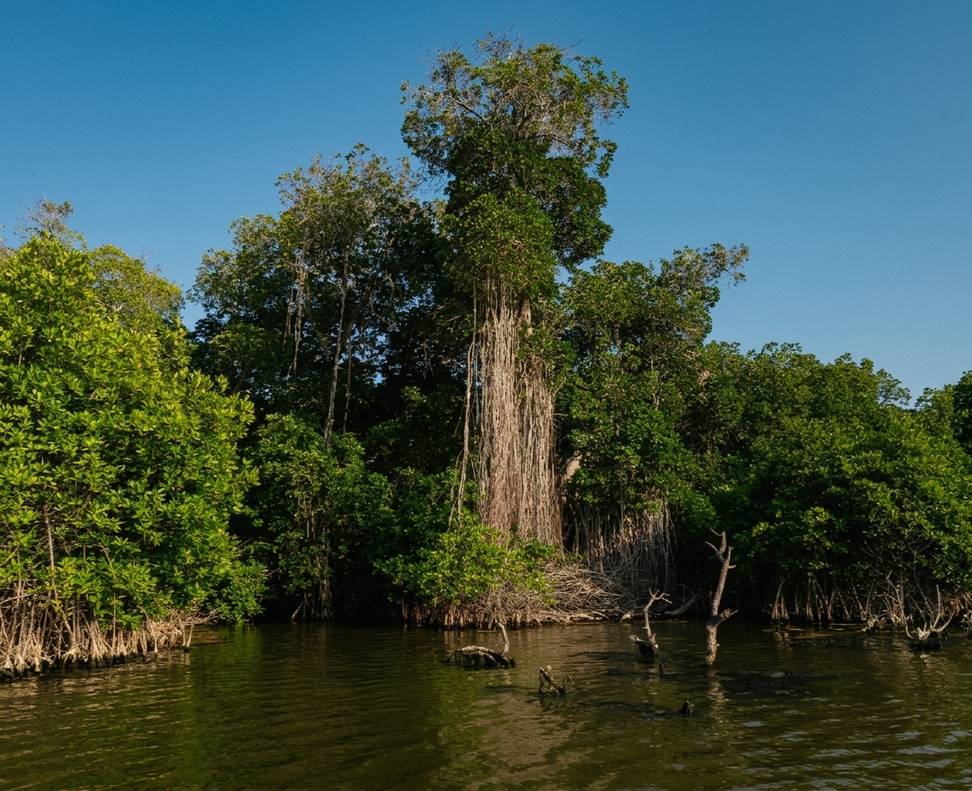
Twenty minutes west of Puerto, Laguna Manialtepec is a mangrove-lined lagoon famous for bioluminescent plankton that light up the water on moonless nights. Evening kayak and boat tours run from May to January and typically cost between 20 and 40 USD per person. Day trips add bird watching, mangrove paddling, and small local seafood palapas.
- Rating: 4.7 (2,635 reviews)
- Best for: Bioluminescence tours, kayaking, bird watching
- Guest note: “Beautiful location. We rented a kayak and paddled around the area for 2 hours.”
- View on Google Maps
Almoraduz Cocina de Autor
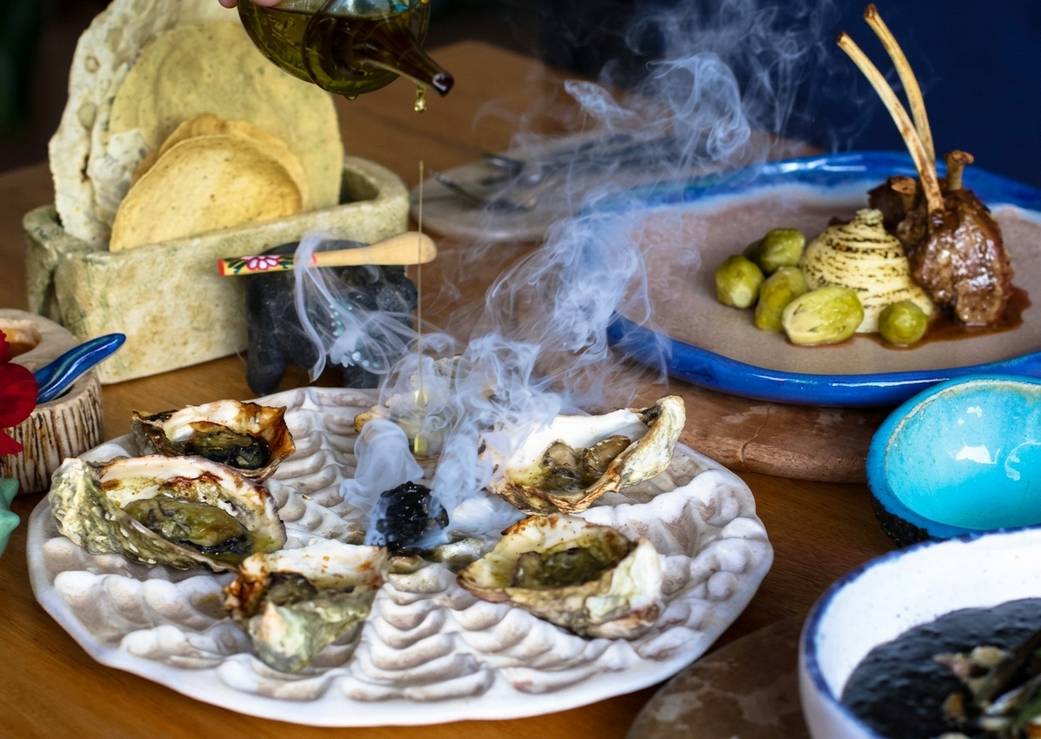
If Oaxacan cuisine is on your radar (and in Puerto, it should be), Almoraduz is the tasting-menu darling that keeps showing up on best-of lists. Expect creative plates built around regional ingredients like mole, huitlacoche, and coastal seafood, at prices that are still gentle compared with Tulum’s beach-road restaurants.
- Rating: 4.5 (1,117 reviews)
- Best for: Chef-driven Oaxacan tasting menus
- Address: Benito Juarez 11, Rinconada, 71983 Puerto Escondido
- Guest note: “Well appointed decor and very attentive staff. Our party of 6 had a great meal.”
- View on Google Maps
Mercado Benito Juarez
For the street-food side of Puerto, head to Mercado Benito Juarez in the mornings. This is where you find fresh tamales, memelas, tlayudas, mole pastes, chocolate, and mezcal by the liter. Reviewers consistently call it one of the best regional markets in Mexico for sheer variety.
- Rating: 4.4 (2,903 reviews)
- Best for: Breakfast, edible souvenirs, mezcal
- Address: Benito Juarez, 71980 Puerto Escondido, Oaxaca
- Tip: Visit before 1 pm for the best selection of prepared food
- View on Google Maps
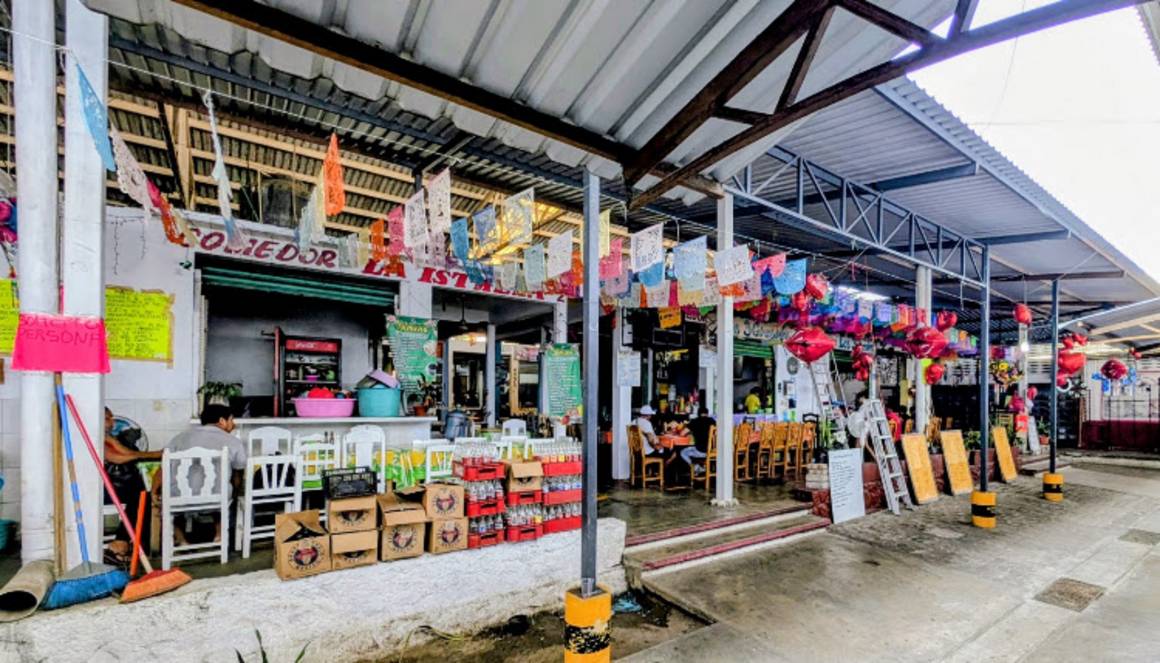
Tulum Highlights (Caribbean Coast)
Tulum is denser, more polished, and built around three things that Puerto simply cannot match: cenotes, Mayan ruins, and the Sian Ka’an Biosphere Reserve. Here are the anchor experiences.
Tulum Archaeological Zone
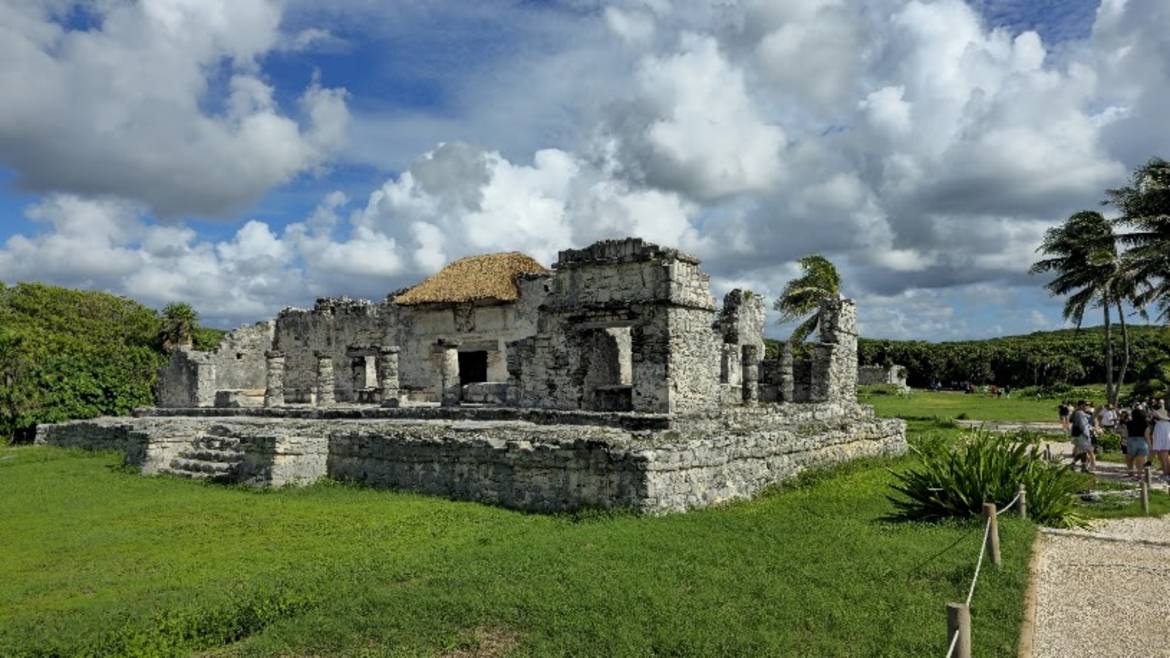
The only major Mayan city built directly on the coast, Tulum’s ruins perch on a limestone cliff above turquoise water. The site is small enough to walk in 90 minutes and dramatic enough to be one of the most photographed places in Mexico. Go at opening (8 am) to beat the tour buses and the midday heat.
- Rating: 4.7 (71,725 reviews)
- Best for: Mayan history with an ocean view
- Address: Zona Hotelera Tulum, 77765 Tulum, Quintana Roo
- Tip: Bring a hat and reusable water bottle, there is almost no shade
- View on Google Maps
Gran Cenote
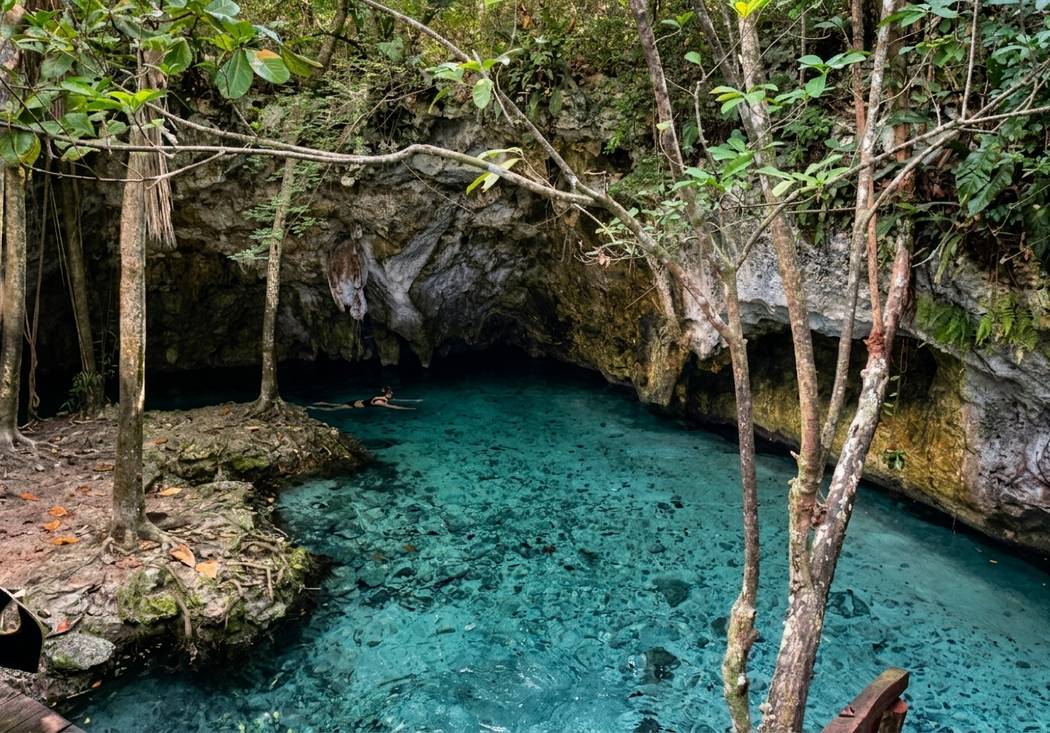
Fifteen minutes inland from Tulum Pueblo, Gran Cenote is the classic first-cenote experience. Two connected sinkholes are joined by an underwater cave you can snorkel or dive through, with turtles, small fish, and even the occasional freshwater eel. Facilities are excellent (showers, lockers, gear rental), which is why it stays busy year-round.
- Rating: 4.3 (8,281 reviews)
- Best for: Snorkeling, first-time cenote visits, family fun
- Address: 77796 Quintana Roo, Mexico
- Guest note: “Water is crystal clear and you can snorkel with turtles.”
- View on Google Maps
Two Eyes Cenote (Dos Ojos)
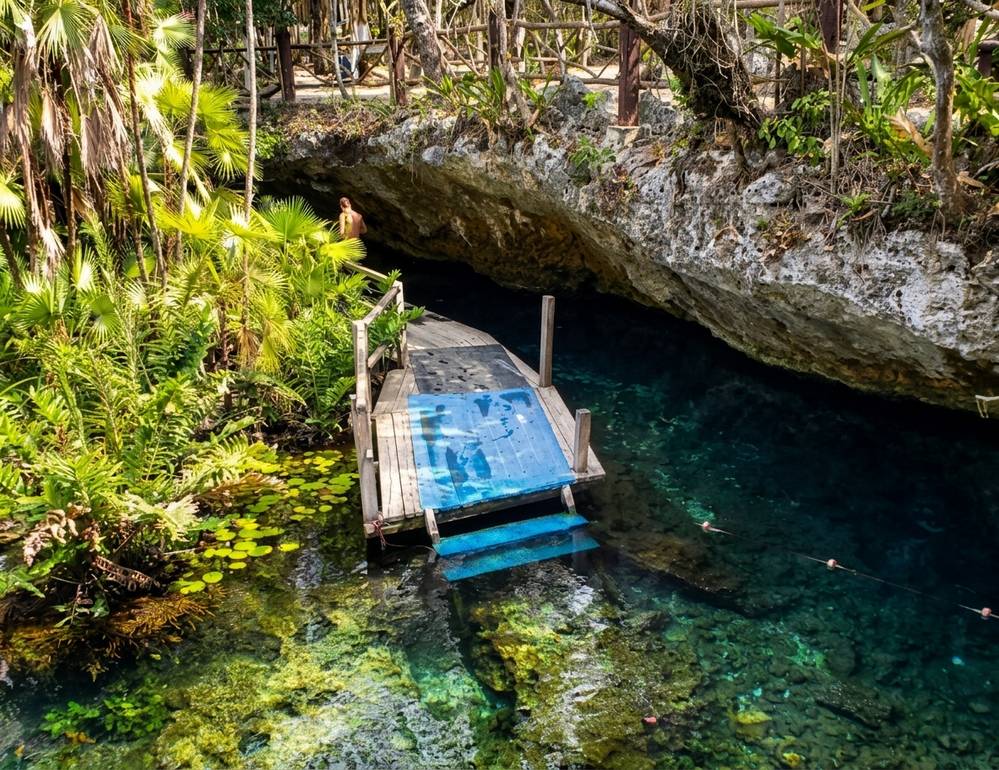
Cenote Dos Ojos is the postcard cave-diving cenote of the Riviera Maya: two connected sinkholes that look like a pair of eyes from above. You can snorkel the surface, join a guided cavern dive, or float through the cathedral-like Bat Cave with a headlamp. Reviewers consistently rank it the most beautiful cenote in the region.
- Rating: 4.7 (7,899 reviews)
- Best for: Cave diving, deep snorkeling, photography
- Address: 77774 Quintana Roo, Mexico
- Guest note: “The most beautiful cenote out of the 6 we visited.”
- View on Google Maps
Cenote Calavera
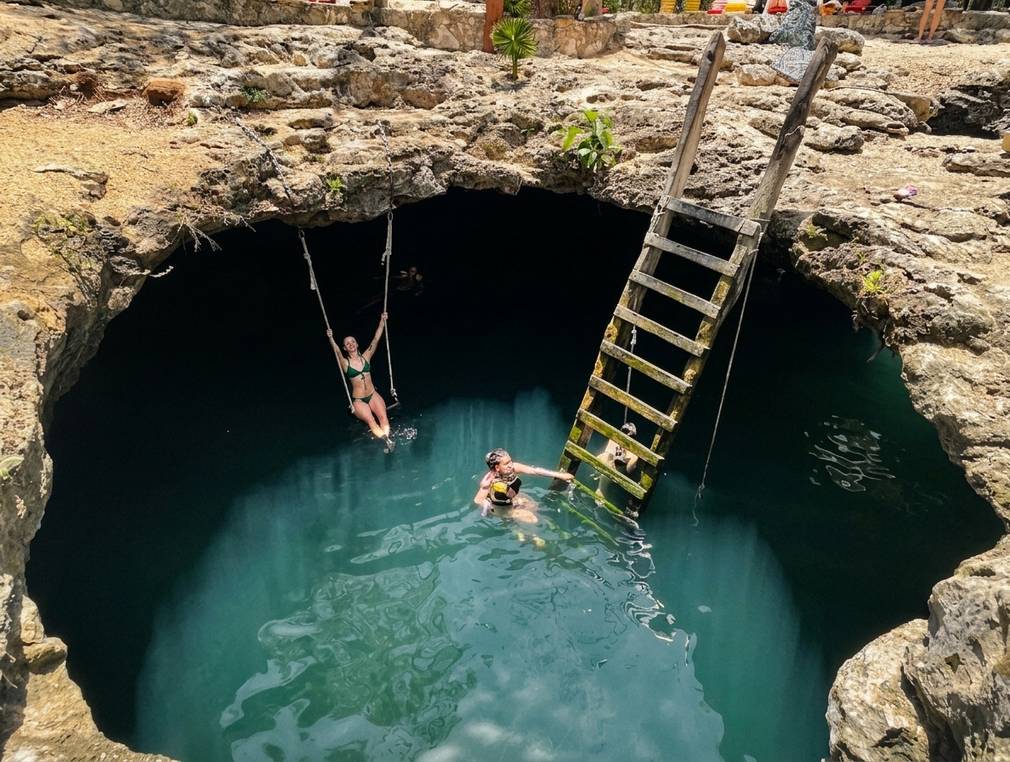
Small, quiet, and often called the Temple of Doom, Cenote Calavera has three round openings in the surface that you can jump through into cool freshwater below. Entry is around 250 pesos, life vests are optional, and there is a rope swing for the daring. This is the cenote for people who want atmosphere without the crowds.
- Rating: 4.1 (2,517 reviews)
- Best for: Jumping in, quieter cenote days
- Address: Carr. Tulum-Coba Km 1.7, Tulum
- Guest note: “Not too busy, the staff were great. Not pushy on the experience.”
- View on Google Maps
Sian Ka’an Biosphere Reserve
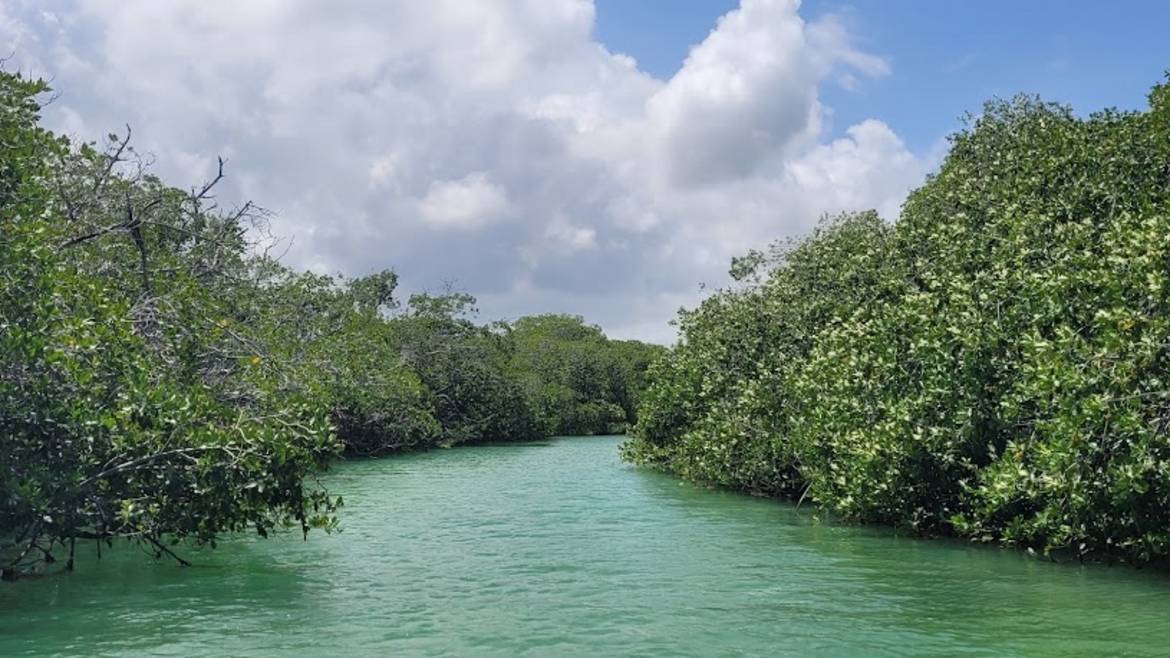
This is our backyard, and the single reason we recommend Tulum over Puerto for guests who want untouched nature with a soft bed nearby. Sian Ka’an is a UNESCO reserve covering 1.3 million acres of mangroves, lagoons, jungle, and reef. Boat tours through the mangrove channels include a natural lazy river where you drift with the current for 20 minutes, and the wildlife (dolphins, sea turtles, tropical birds) is genuinely wild, not staged.
- Rating: 4.6 (4,062 reviews)
- Best for: Boat tours, mangrove floats, birding, snorkeling
- Address: Sian Ka’an, Quintana Roo
- Guest note: “Grab a guide for the boat ride and floating river, the coolest thing we did in Tulum.”
- View on Google Maps
Hartwood
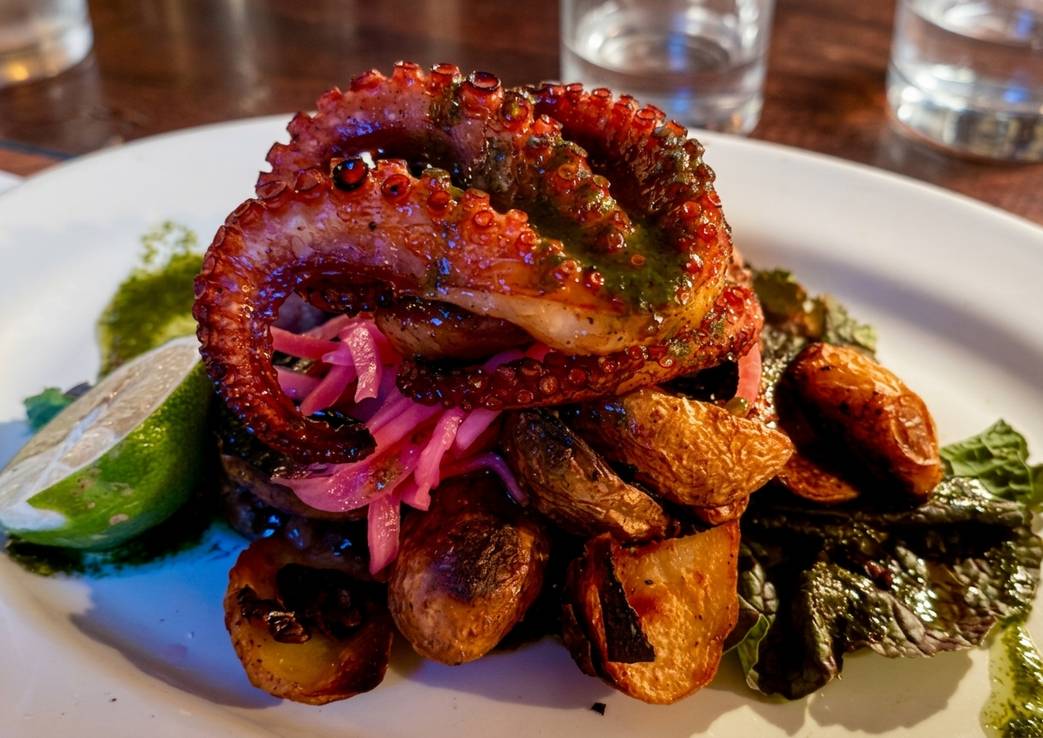
If there is a single restaurant that captures Tulum’s jungle-luxury identity, it is Hartwood. Wood-fired cooking, no electricity, coastal ingredients, and a candlelit garden setting. Reservations are famously hard, so plan two to three weeks ahead. Expect a special-occasion bill, but the atmosphere is genuinely one of a kind.
- Rating: 4.4 (1,573 reviews)
- Best for: Anniversaries, live-fire cooking, jungle dining
- Address: Carr. Tulum-Boca Paila Km 7.6, Zona Hotelera, Tulum
- Guest note: “Atmosphere was beautiful and the meal was great. Flavors and dishes were unique.”
- View on Google Maps
Cost and Access: What the Numbers Actually Say
The biggest practical difference between the two destinations is how you get there and how far your money goes once you arrive.
Getting there
- Tulum sits about 90 minutes south of Cancun International Airport, which has direct flights from most major US, Canadian, European, and Latin American cities. The newer Felipe Carrillo Puerto Airport (TQO) is even closer for regional connections.
- Puerto Escondido has a small domestic airport (PXM) served mainly by flights from Mexico City and Oaxaca. Most international visitors add a domestic leg, which typically costs 100 to 200 USD each way and adds half a day of travel.
Cost of a comfortable trip in 2026 (based on published 2026 comparison data)
| Item | Puerto Escondido | Tulum |
| —| —| — |
| One-bedroom rental, monthly | ~$650 USD | ~$900 USD |
| Casual restaurant meal | ~$4 USD | ~$15 USD |
| Coffee | ~$2.50 USD | ~$4 USD |
| Coworking, monthly | ~$150 USD | ~$200 USD |
| Comfortable monthly total | ~$1,200 USD | ~$2,500 USD |
| Nightlife cover | Often free, up to $15 | $100 to $300 for big events |
For a week-long vacation, expect a mid-range trip to Puerto Escondido to cost roughly what three or four days in Tulum would. Tulum charges a premium for direct beach access, design hotels, and cenote logistics. Puerto Escondido gives you more time on the ground for less money, in exchange for a longer travel day and rougher swimming conditions.
When to Visit
Puerto Escondido
- October and November are peak surf months and host the international longboard competition
- December through April is the dry, sunny high season with the busiest crowds and highest prices
- June through September brings warm rain and the bioluminescence tour season at Manialtepec
Tulum
- November through April is the sweet spot: dry, warm days, low humidity, and the lowest sargassum seaweed levels of the year
- May through October is warmer, wetter, and more affordable, with occasional sargassum drifting onto the main hotel-zone beaches (Sian Ka’an beaches farther south stay much cleaner)
- Late June through November is Atlantic hurricane season, so build a flexible cancellation policy into your booking
The Verdict
Both Puerto Escondido and Tulum deliver a genuinely great Mexico beach trip. Pick Puerto Escondido for surf, Oaxacan food, low costs, and a bohemian Pacific-town rhythm. Pick Tulum for turquoise water, cenotes, Mayan history, and a jungle-luxe base you can settle into for a week.
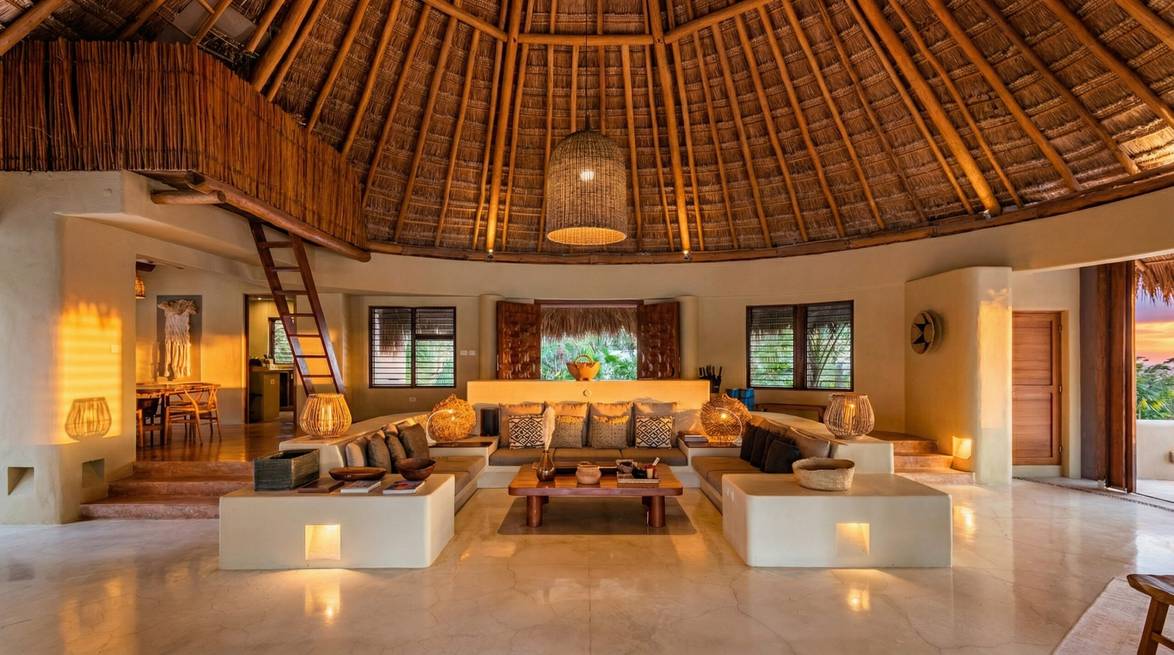
If your heart is already leaning toward the Caribbean side, come see us at Casa Nalum. Our stretch of the Sian Ka’an coast gives you Tulum’s water, cenotes, and cuisine with the calm and privacy that made you want a vacation in the first place.
Frequently Asked Questions
Is Puerto Escondido cheaper than Tulum in 2026?
Yes, meaningfully. Comparable one-bedroom rentals run around $650 in Puerto Escondido versus $900 in Tulum, and daily food and drink costs are roughly one-third to one-half as much. Expect a total trip cost around 40 to 50 percent lower for a similar comfort level.
Which has better beaches, Puerto Escondido or Tulum?
It depends on what “better” means. Puerto’s beaches are wilder, wider, and more dramatic, with world-class surf and unforgettable sunsets. Tulum’s beaches have the calmer, warmer, turquoise Caribbean water that most people picture when they dream of a Mexico beach vacation. Tulum wins for swimming, Puerto wins for surf and photography.
Is Puerto Escondido safe?
Puerto Escondido scores well on traveler safety indexes, generally around 4 out of 5 for digital nomads, with the usual big-city precautions (don’t flash valuables, use registered taxis at night). It is considered lower-risk than Tulum, which has seen a rise in crime rates alongside its tourism boom.
How far apart are Puerto Escondido and Tulum?
They sit on opposite coasts. Overland is about 930 to 1,500 km depending on route, or 17 to 20 hours of driving. Most travelers who want to visit both fly Puerto Escondido to Mexico City and connect on to Cancun, which takes a full travel day.
What is the best month to visit Tulum?
November through April, with February and March hitting the sweet spot: dry, warm, low humidity, and low sargassum levels. December and Easter week are the busiest and most expensive.
Can you combine both destinations in one trip?
It is possible but not efficient. Because they are on opposite coasts, a combined trip typically needs at least 10 to 14 days to feel worthwhile, with a Mexico City stopover in the middle. Most first-time visitors pick one and save the other for a future trip.