If you have started planning a trip to the Mexican Caribbean, you have probably read about the seaweed in Tulum. The brown patches, the smell, the headlines about red alerts. We get a lot of questions about this from our guests, and we understand the worry.
At Casa Nalum, our eco-villa sits inside the UNESCO Sian Ka’an Biosphere Reserve, between a quiet Mayan lagoon and the Caribbean Sea. We live with the rhythm of the coast, and we know exactly where the water stays clear, when seaweed shows up, and how to plan a beautiful trip even during peak sargassum months.
In this guide, we will share what we have learned. We will walk you through the seaweed season, the beaches and cenotes that stay clear, the tools we use to check conditions, and the alternatives that make Tulum feel magical no matter the time of year.
Understanding the Seaweed Season in Tulum
The seaweed in Tulum is a brown algae called sargassum. It floats across the Atlantic and washes up on Caribbean shores. Tulum sits on the eastern edge of the Yucatán Peninsula, so it catches more sargassum than other parts of Mexico.
Local crews work hard to keep the beaches clean. According to municipal reports, Tulum has already collected over 1,200 tons of sargassum so far in 2026. Federal teams from Zofemat and the Mexican Navy clear the beaches at dawn, and large containers are placed near the hotel zone to move the seaweed off the sand.
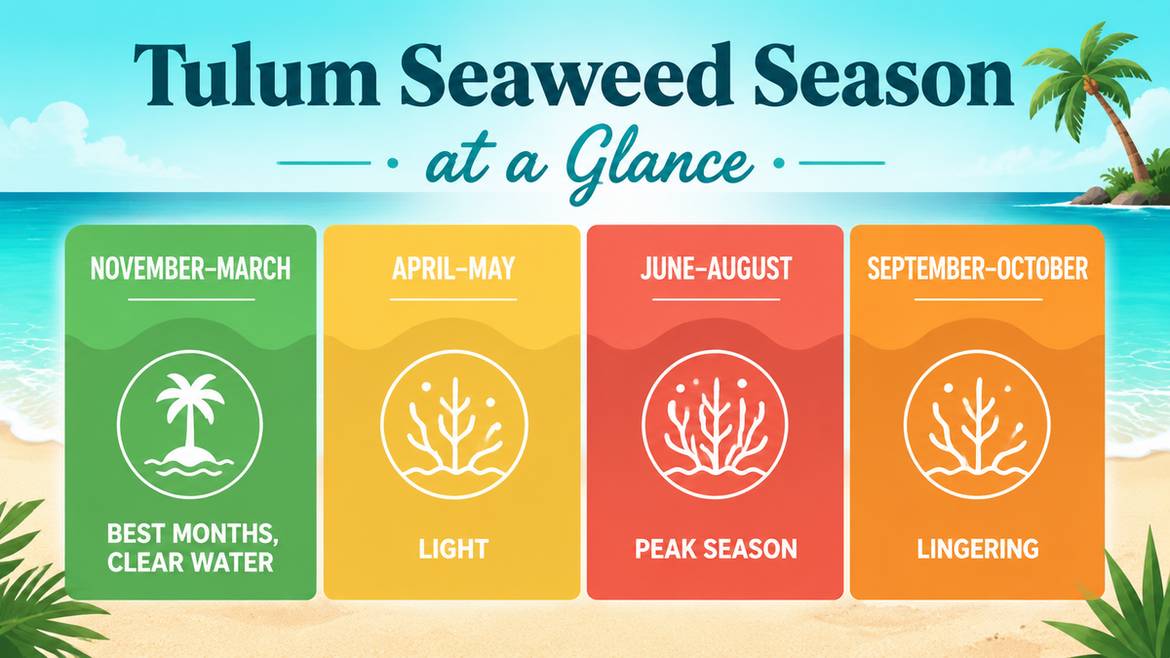
Here is what the season looks like in a typical year:
- November to March: The clearest months. Cool breezes, blue water, and very little seaweed.
- April to May: The season starts. Some patches arrive but the water is still mostly swimmable.
- June to August: Peak season. Heavier arrivals are common, especially after east winds.
- September to October: Conditions improve slowly as winds shift.
Local tip: The wind direction matters more than the calendar. A strong east wind can bring seaweed in a single afternoon, while a north wind often clears the coast within a day.
The Best Beaches in Tulum With Less Seaweed
Some beaches stay cleaner than others. The shape of the coast, the offshore reef, and how often a beach is cleared all play a role. These are our favorite spots when guests want salt water and clear views.
Soliman Bay
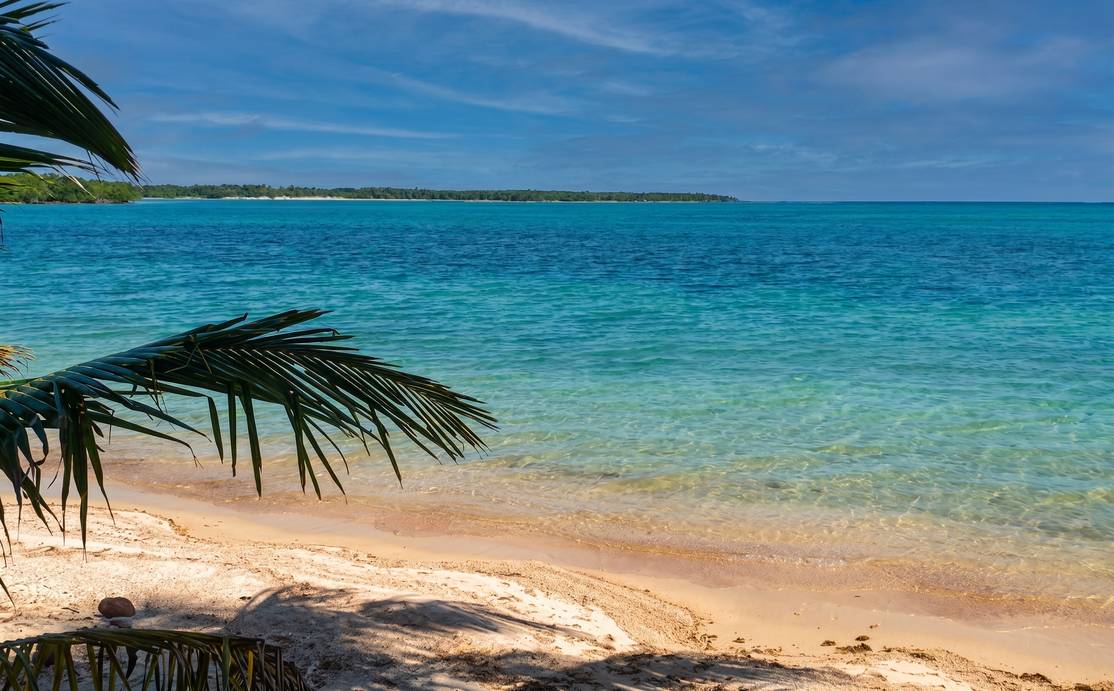
Soliman Bay is one of our top picks when sargassum is around. The bay shape and offshore reef help block heavy swells, so the water often stays clear and calm even during peak months. Soft sand, shallow water, and turtles in the shallows make this a peaceful place to spend the day.
It feels tucked away. There is no boardwalk or busy beach club row, just jungle, palm trees, and quiet stretches of sand. We send guests here when they want a slower pace and a real chance at clear Caribbean water.
- Rating: 4.2 (71 reviews)
- Location: Tankah 4, Quintana Roo
- Type: Public beach with limited parking
- Insight: A small offshore reef shelters this bay, which often keeps the water cleaner than open coast beaches.
Playa Paraíso
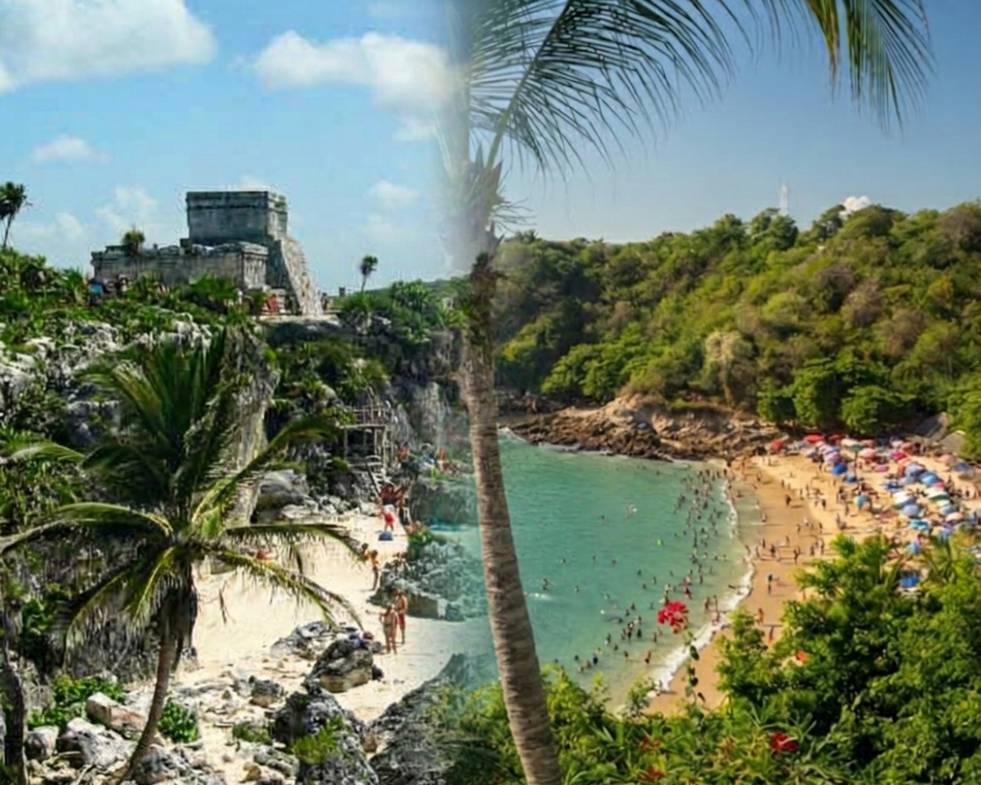
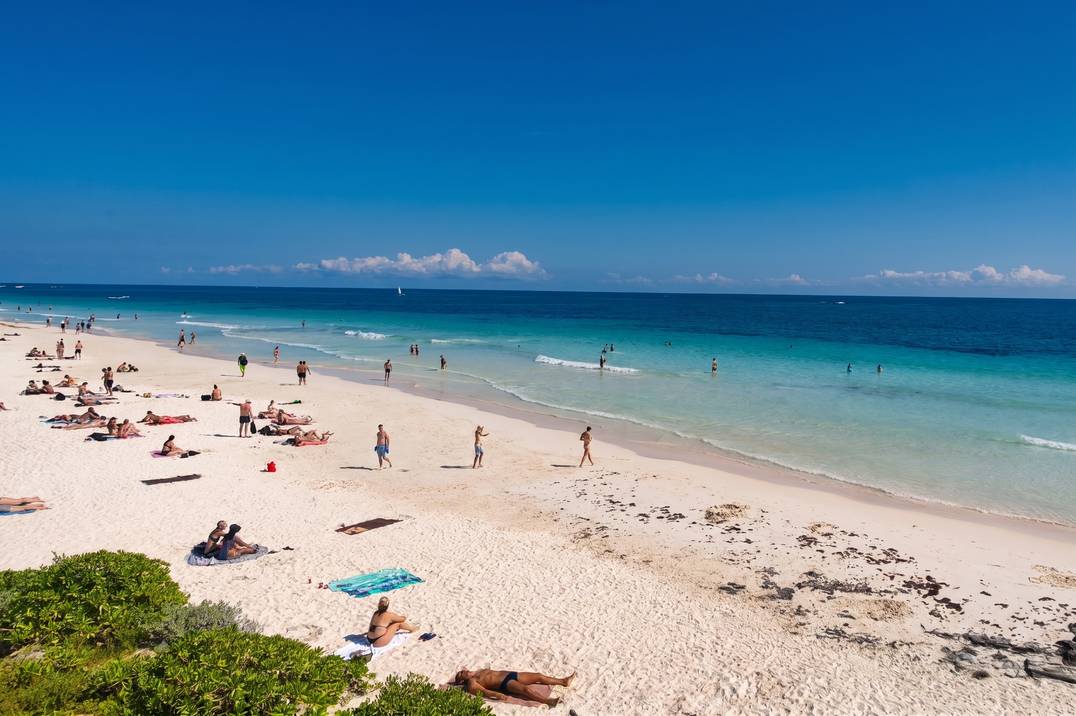
Playa Paraíso sits inside Tulum National Park, near the famous ruins. It has wide stretches of soft white sand and is one of the most photographed beaches in Mexico. Because it falls inside the protected park area, crews are quick to remove sargassum when it arrives.
We love it for a half-day visit, especially in the morning when the light is soft and the crowds are smaller. The water here is shallow and calm, which makes it good for families.
- Rating: 4.5 (4,265 reviews)
- Address: Cam. a Zona Arqueologica Tulum, Zona Hotelera, 77780 Tulum
- Phone: 984 131 7566
- Local tip: Arrive before 10 a.m. to enjoy fresh-cleaned sand and quieter conditions.
Learn more about Playa Paraíso
Akumal Bay
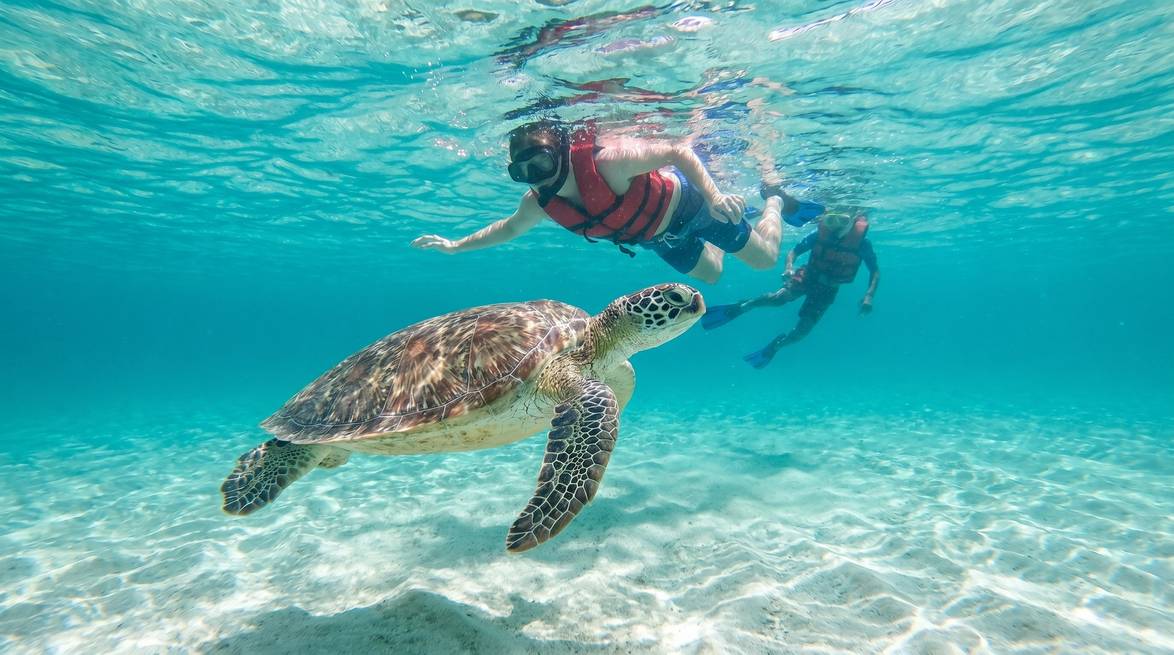
Akumal Bay is a short drive north of Tulum. The bay is famous for sea turtles that graze on seagrass in the shallows. The reef just offshore gives the water a calmer feel and helps keep some of the heavier sargassum out.
When we send guests here, we recommend they go with a guide who knows the protected zones. The turtles are a highlight, and seeing them in clear water is something our visitors talk about for years.
- Rating: 4.0 (252 reviews)
- Location: Akumal, north of Tulum on the Cancún highway
- Phone: 984 141 3332
- Good to know: Use only reef-safe sunscreen. The bay is a protected marine area.
Cenotes and Lagoons: Crystal Clear Water With No Seaweed
Some of our favorite swims happen in fresh water. Cenotes and lagoons are sealed off from the ocean, so seaweed is never an issue. The water is cool, glass-clear, and full of natural beauty.
When sargassum is heavy on the coast, we send guests to a cenote or a lagoon for the day. They come back glowing.
Gran Cenote
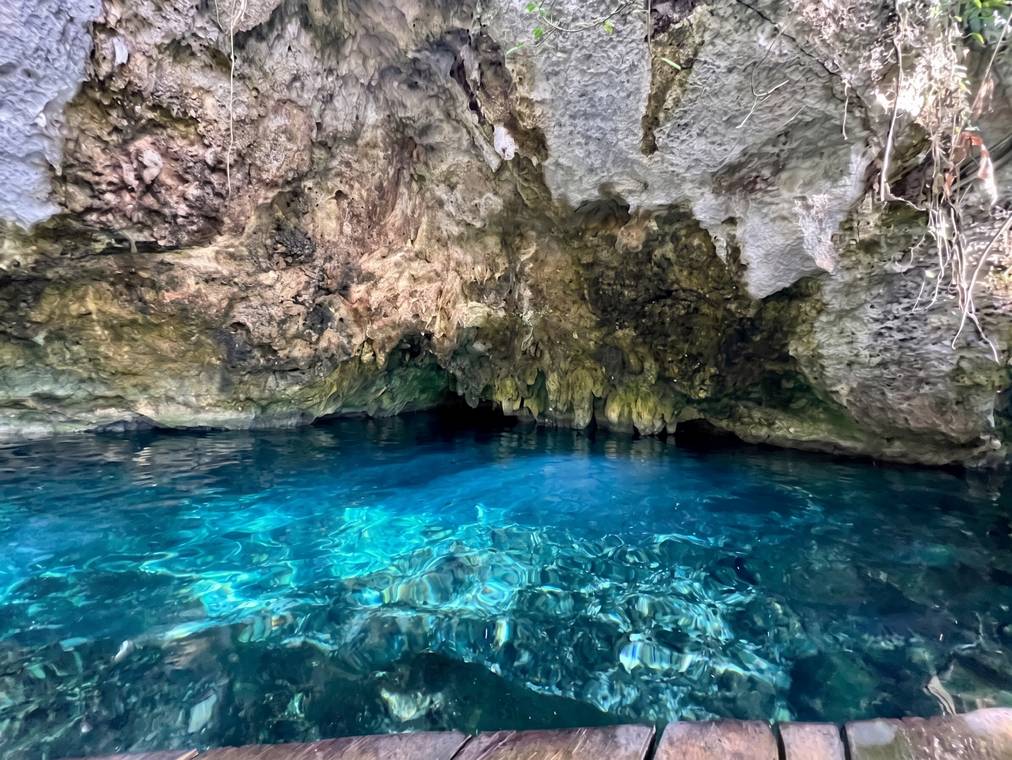
Gran Cenote is one of the most beautiful cenotes near Tulum. It has two open swimming pools connected by a small cave system, with stalactites overhead and tiny turtles paddling by your feet. The water is so clear that you can count the rocks at the bottom.
It is a favorite with our guests because the experience feels almost magical. You float past natural rock formations, snorkel through bat caves, and rest in hammocks under the trees.
- Rating: 4.3 (8,225 reviews)
- Location: 77796 Quintana Roo (a few minutes from Tulum town)
- Style: Open cenote with cave snorkeling
- Good to know: Bring a snorkel and rinse off before you enter. Sunscreen is not allowed inside.
Cenote Dos Ojos (Two Eyes Cenote)
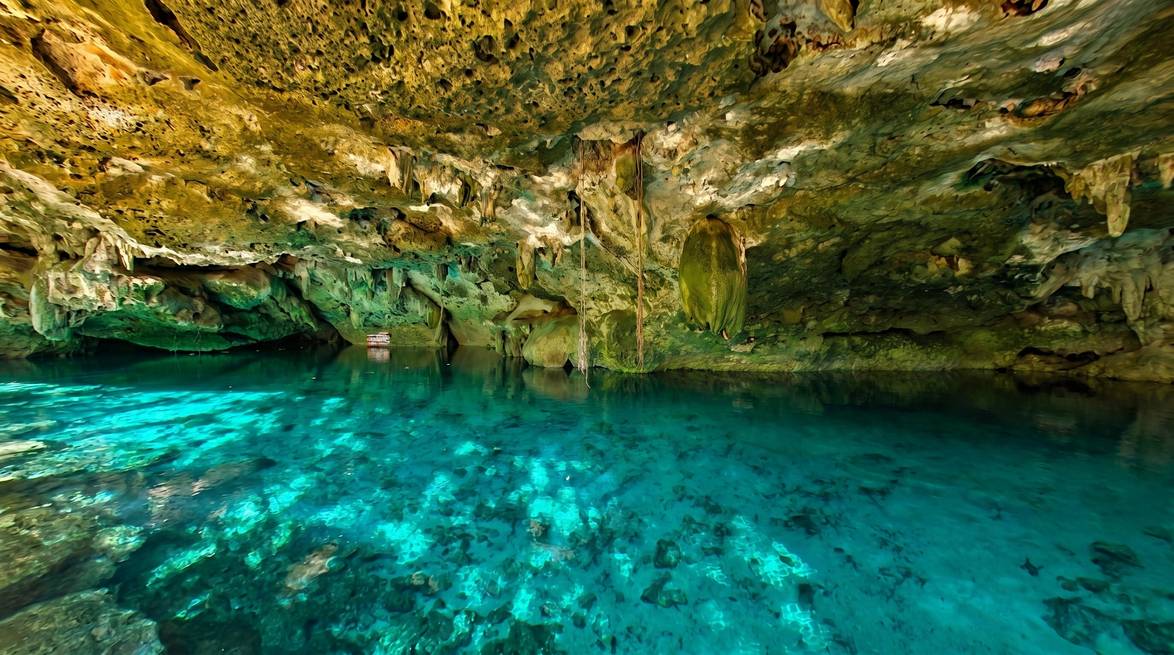
Dos Ojos means “two eyes” in Spanish, named for the two round pools that share an underground river. The water is exceptionally clear, and visibility can stretch for many meters. Snorkelers and certified divers love the limestone caverns connecting the two cenotes.
We send adventurous guests here when they want a longer day out. The drive north passes through quiet jungle, and the cenote area itself feels peaceful, even on busier days.
- Rating: 4.7 (7,851 reviews)
- Location: 77774 Quintana Roo (about 25 minutes north of Tulum)
- Phone: +52 998 980 0664
- Insight: This cenote is part of the Sac Actun system, one of the longest underwater cave networks in the world.
Learn more about Cenote Dos Ojos
Why Sian Ka’an Is Different (And Why It Matters)
Most travelers focus on the Tulum hotel zone, where the seaweed problem is most visible. But just south of the hotel zone, the road becomes wilder and the coast turns into the Sian Ka’an Biosphere Reserve. This is where we live, and this is where the experience changes.
Sian Ka’an covers about 1.3 million acres of protected jungle, mangroves, lagoons, and reef. The water here is clearer, the sand is softer, and the human impact is minimal. The orientation of the coast and the protected reefs offshore mean that sargassum, when it does arrive, often stays lighter and disperses faster than in the busy hotel zone.
There are no big crowds, no neon nightclubs, no rows of beach clubs. Just the sound of the sea, the wind in the palms, and the wildlife that gives the reserve its UNESCO status.
Reserva de la Biósfera Sian Ka’an
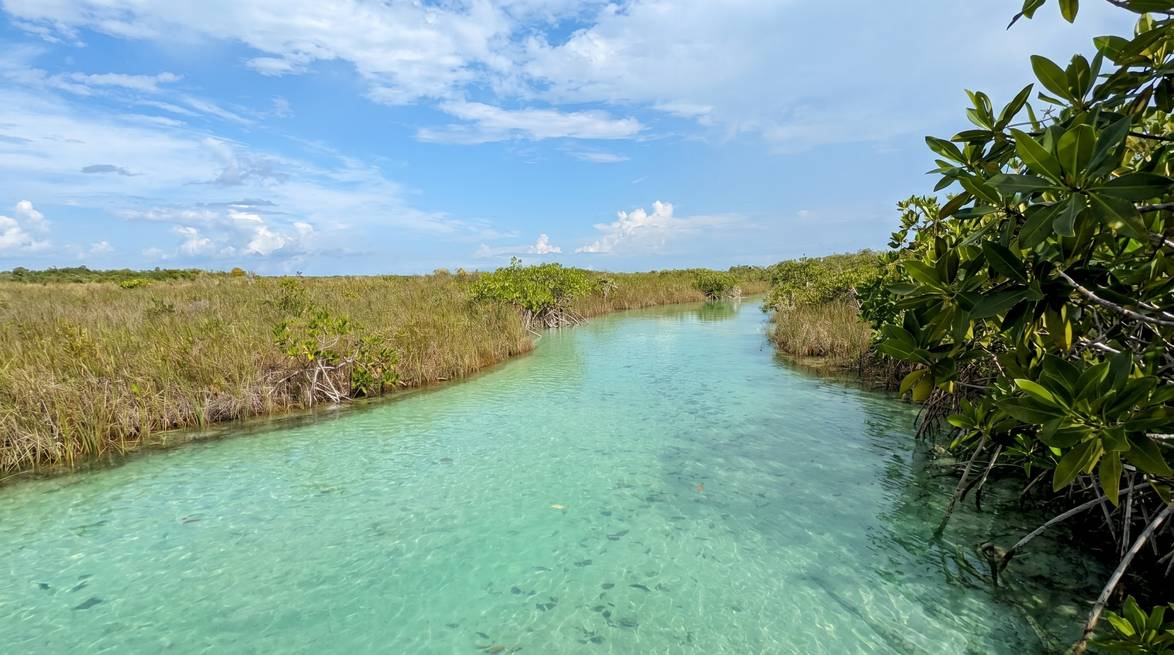
This is the heart of our region. The reserve protects coral reefs, freshwater cenotes, mangrove forests, and the Mayan canal system at Muyil. Inside, you can see dolphins, sea turtles, manatees, crocodiles, and over 300 species of birds.
For travelers worried about the seaweed in Tulum, Sian Ka’an offers a different kind of beach experience. The water is exceptionally clear, the sand is powder soft, and the wildlife is abundant.
- Rating: 4.6 (4,041 reviews)
- Type: National reserve, UNESCO World Heritage Site
- Size: 1.3 million acres of protected coast and jungle
- Insight: The name “Sian Ka’an” means “where the sky is born” in Mayan.
Mayan Ruins and Land-Based Adventures
When the seaweed in Tulum is heavy, we shift our guests’ plans toward land-based adventures. Tulum has some of the most beautiful archaeological sites in Mexico, and they make for unforgettable mornings.
Tulum Archaeological Zone
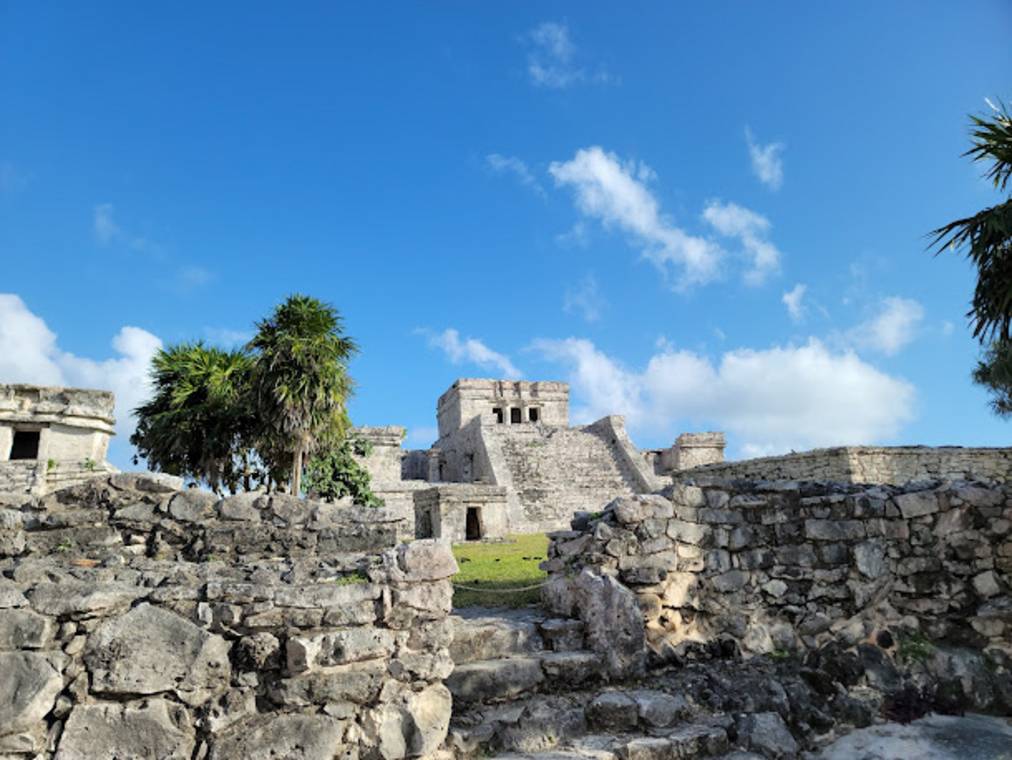
The Tulum ruins sit on a limestone cliff above the turquoise Caribbean. They are the only Mayan ruins built on a coast, and the views are breathtaking. You can wander stone temples, see iguanas sunbathing on the rocks, and look down at the famous beach below.
- Rating: 4.7 (71,100 reviews)
- Address: Zona Hotelera Tulum, 77765 Tulum, Quintana Roo
- Phone: 983 837 2411
- Local tip: Arrive at opening (8 a.m.) for cooler weather and softer light.
Zona Arqueológica de Muyil
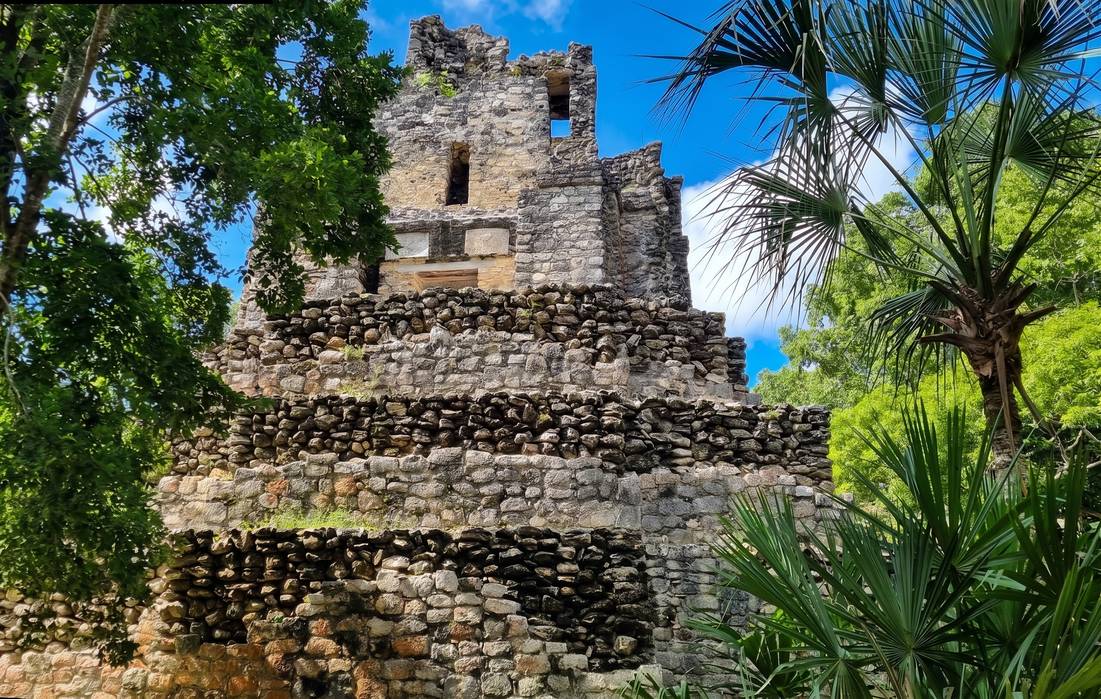
Muyil is a quieter, smaller ruin site just inside the Sian Ka’an reserve. After exploring the temples, you can take a boat through the ancient Mayan canals that connect the lagoons. The water in those lagoons is fresh, clear, and beautiful.
We love sending our guests here when they want history, nature, and clear water in a single half-day trip.
- Rating: 4.6 (3,415 reviews)
- Address: Reforma Agraria-Puerto Juárez km 25, 77710 Chunyaxché
- Style: Mayan ruins with lagoon canal float
- Good to know: Combine with a float tour through the lagoons for a full experience.
How to Check Seaweed Conditions Before You Go
Conditions in Tulum change daily, sometimes hourly. The good news is that several free tools can help you plan around the seaweed. We recommend checking 3-5 days before your trip and again the morning of any beach day.
Tools we trust:
- Sargassum Monitoring Map (sargassummonitoring.com): Color-coded maps of the Riviera Maya updated regularly. Green means clear, red means heavy.
- HowIsTheSargassum.com: Daily Tulum conditions with photos.
- CARICOOS Sargassum Tracker: Larger Caribbean view, useful for forecasting incoming patches.
- Local social media groups: Facebook groups for Tulum residents often post real-time photos of the beaches each morning.
Local tip: Wind direction matters most. If you see a strong east wind in the forecast, expect more sargassum within 24 to 48 hours. North or west winds usually clear the coast quickly.
Smart Tips for Visiting Tulum During Seaweed Season
If your trip falls during peak months, do not panic. The seaweed in Tulum is real, but it is also manageable. Here is the plan we share with our guests.
- Build flexibility into your beach days. Have a Plan B (cenote, lagoon, or ruin visit) ready in case the seaweed is heavy that morning.
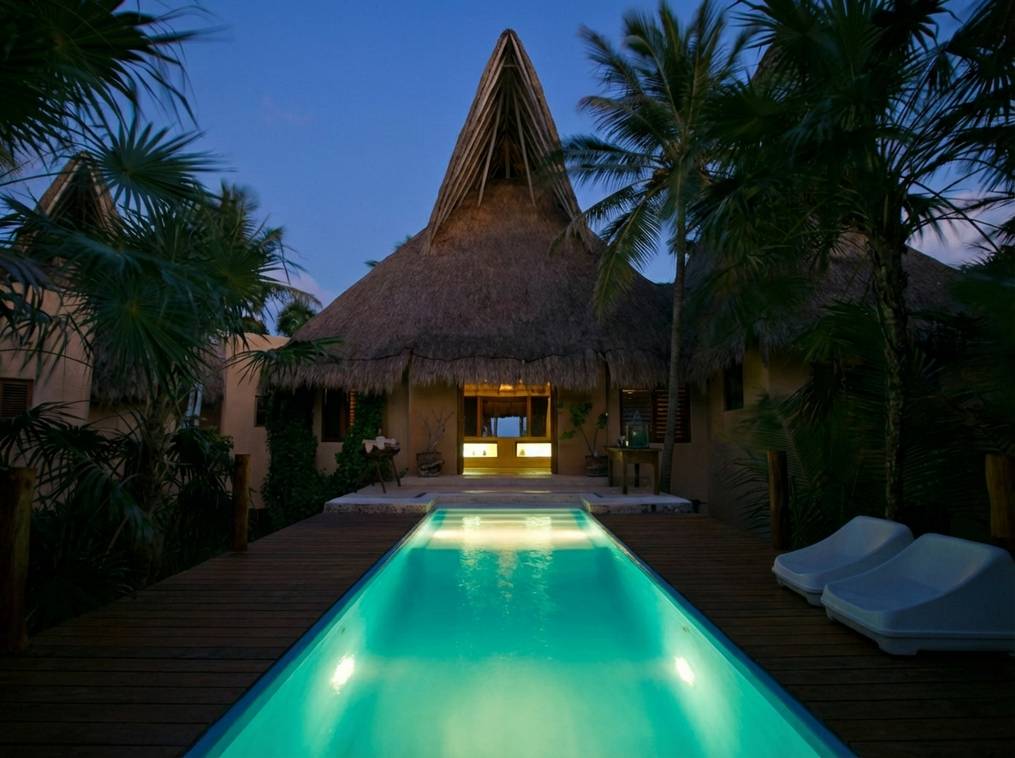
- Stay where it matters. A villa or property with a pool, garden, or shaded outdoor space will save your day if the beach is not perfect.
- Mornings are best. Beaches are usually cleaned at dawn. Plan beach time before noon.
- Pack reef-safe sunscreen and water shoes. Useful for cenotes and rocky entries.
- Pre-book your cenote, ruins, and lagoon tours. These are unaffected by seaweed and fill up fast in summer.
- Travel inland for one day. A trip to Chichén Itzá, Cobá, or Valladolid breaks up beach days and gives you culture, food, and freshwater swims.
💡 Local insight: The Sian Ka’an side of Tulum, where Casa Nalum sits, generally sees lighter sargassum impact than the busy hotel zone. The orientation of the coast and the offshore reefs work in our favor.
Your Caribbean Trip, Reimagined
The seaweed in Tulum is one part of the story, not the whole one. With the right plan, the right local insight, and a bit of flexibility, your Tulum trip can feel as magical as it looks in the photos.
At Casa Nalum, we have spent years learning how to read the coast, the wind, and the seasons. We share that knowledge with every guest who books a stay with us, and we plan each day around what nature is offering.
Ready to start planning your visit? Get in touch with our team and we will help you build a trip that works around the conditions, not against them. Welcome to Sian Ka’an. The sky was born here.
Frequently Asked Questions
Is there seaweed in Tulum right now?
Conditions change daily. The best way to check is to use sargassummonitoring.com or howisthesargassum.com, which update regularly with photos and color-coded maps. Wind direction can shift conditions in a single day.
What time of year is seaweed worst in Tulum?
The peak sargassum months are usually June, July, and August. April and May see the season starting, while November through March are typically the cleanest months.
Does Tulum always have a lot of seaweed?
No. Conditions vary year to year and even week to week. The hotel zone tends to have the heaviest accumulation, while areas like Soliman Bay, Sian Ka’an, and the cenotes near Tulum are much less affected.
How do you avoid seaweed in Tulum?
Travel between November and March for the cleanest beaches, choose a stay with pool access and outdoor space, and plan cenote, lagoon, and ruin days for any beach mornings that look heavy. Wind monitoring helps too.
Are the cenotes near Tulum affected by sargassum?
No. Cenotes are freshwater sinkholes fed by underground rivers. They are completely separate from the ocean and never have sargassum.
Is Sian Ka’an better than the Tulum hotel zone for clear water?
Generally yes. The Sian Ka’an Biosphere Reserve has a different coastal orientation, an offshore reef, and far less foot traffic. The water tends to stay clearer, even during peak sargassum months.