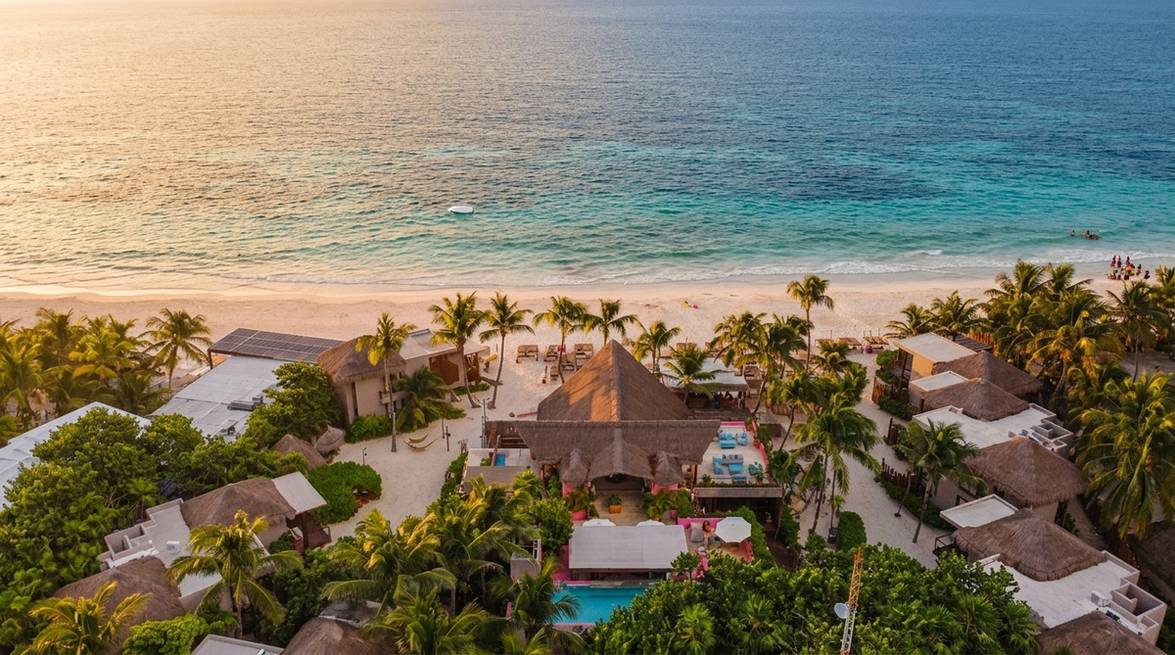
Planning a trip to the Yucatán Peninsula often comes down to one big question. Do you crave the salty air and slow beach days of the Caribbean coast, or the shaded plazas and evening music of a walkable colonial city? At Casa Nalum, our home sits inside the Sian Ka’an Biosphere Reserve just south of Tulum, so we get this question from guests almost every week.
We love both cities, and we think most travelers will too. But they feel very different, and picking the right base can shape your whole vacation. In this guide, we compare Tulum and Mérida side by side. We share what each place feels like day to day, what to eat, where to swim, and the small things that make each city special.
By the end, you will know which one fits your style, and how to combine the two if you have the time.
Tulum: What Beach Town Energy Really Feels Like
Tulum sits on the Caribbean coast in the state of Quintana Roo. It is smaller than Mérida and shaped by three things: the sea, the jungle, and the cenotes hidden in the limestone. The vibe is barefoot, boho, and slow paced, even when the beach clubs get busy at sunset.
Most days here follow a simple rhythm. Coffee and a swim in the morning, a cenote or ruin visit before lunch, a long afternoon on the sand, then a jungle dinner under string lights. It is a place where guests slow down and stop checking the clock.
💡 Local tip: The Tulum coast runs about 15 kilometers, and the ocean breeze makes the heat feel much softer than the same temperature inland. Even in July, sea days can feel breezy and easy.
Tulum Archaeological Zone
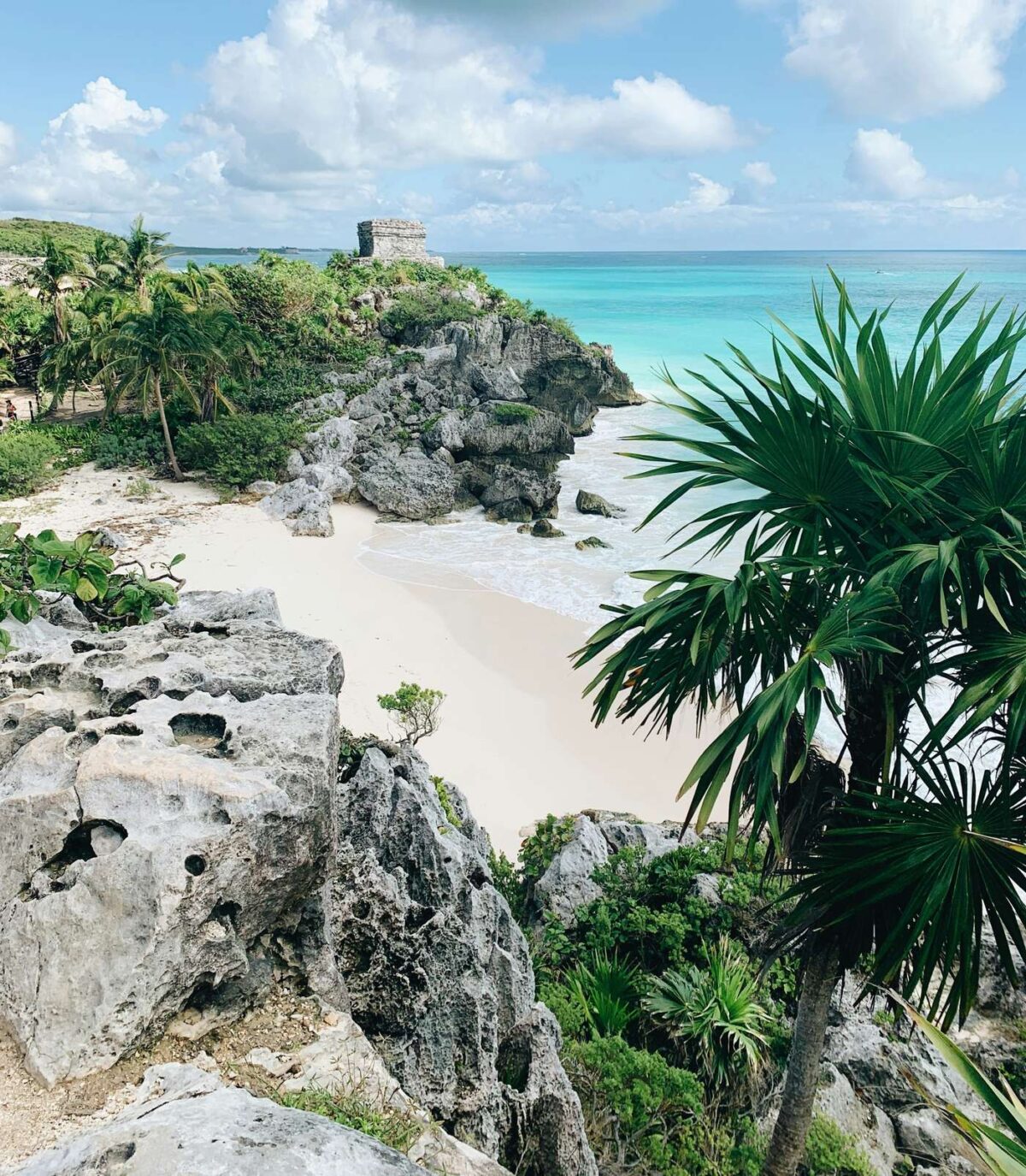
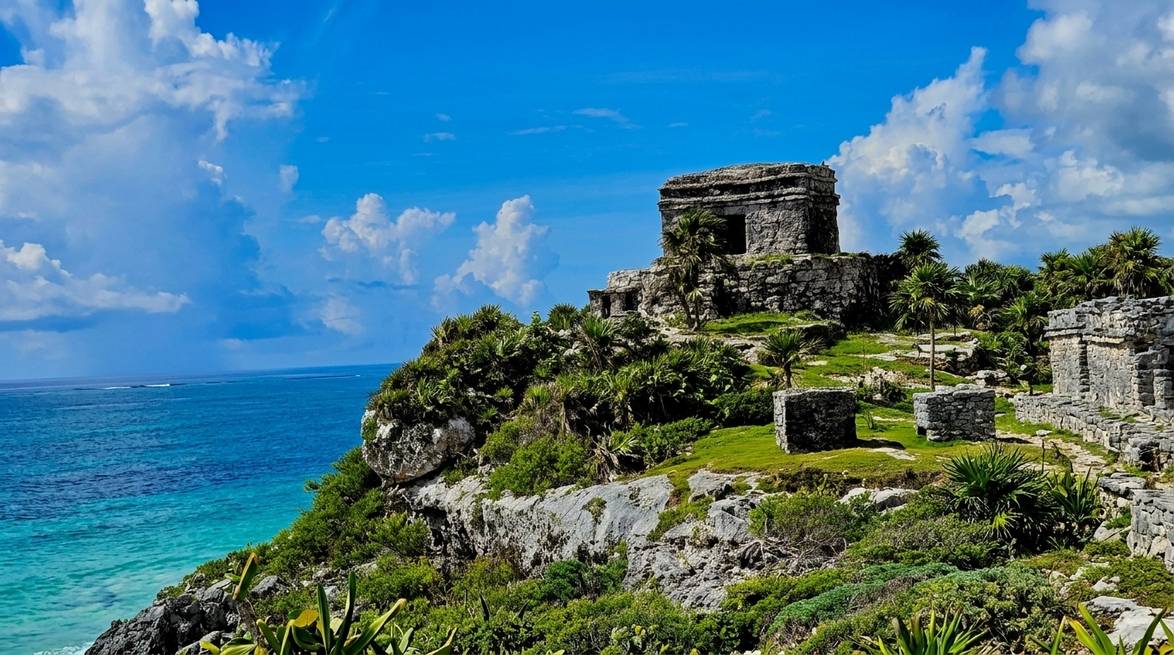
The Tulum ruins are the only major Mayan site built right on the Caribbean, and that changes everything. Weathered stone temples sit on a low cliff, with turquoise water crashing below and iguanas sunning themselves on the walls.
We tell guests to arrive at opening time, around 8:00 a.m. The light is soft, the crowds are thin, and you can walk down to Playa Ruinas for a quick swim afterward. It is one of the most photographed corners of Mexico, and standing there in person still lives up to it.
- Rating: 4.7 stars from over 71,000 reviews
- Location: coastal Tulum, Quintana Roo
- Best for: history lovers, photographers, early risers
- Tip: bring water, sunscreen, and closed shoes for the paths
Playa Paraíso
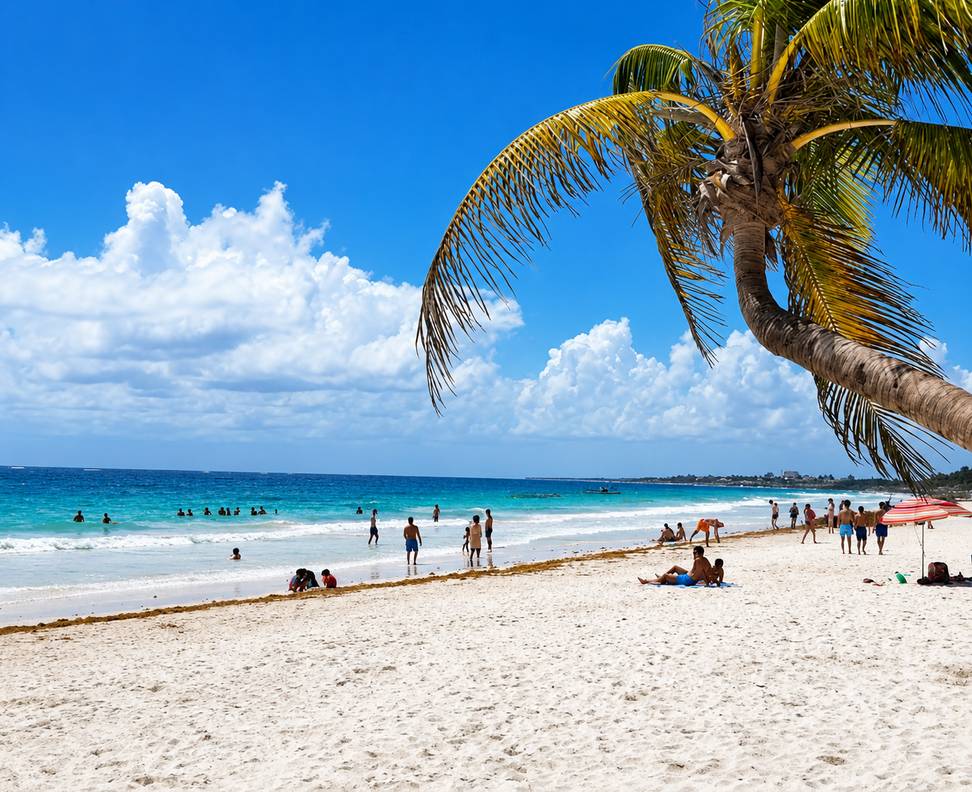
Playa Paraíso is the beach most guests picture when they dream of Tulum. Soft white sand, a gentle slope into the water, and palm trees that lean at just the right angle for photos. It sits right next to the ruins, so you can stack both into one easy morning.
It works for slow beach days too. Bring a book, order a coconut, and let the hours drift.
- Rating: 4.5 stars from over 4,200 reviews
- Hours: 7:00 a.m. to 7:00 p.m. daily
- Location: Zona Hotelera Tulum
- Best for: swimming, sunbathing, first-time visitors
Gran Cenote
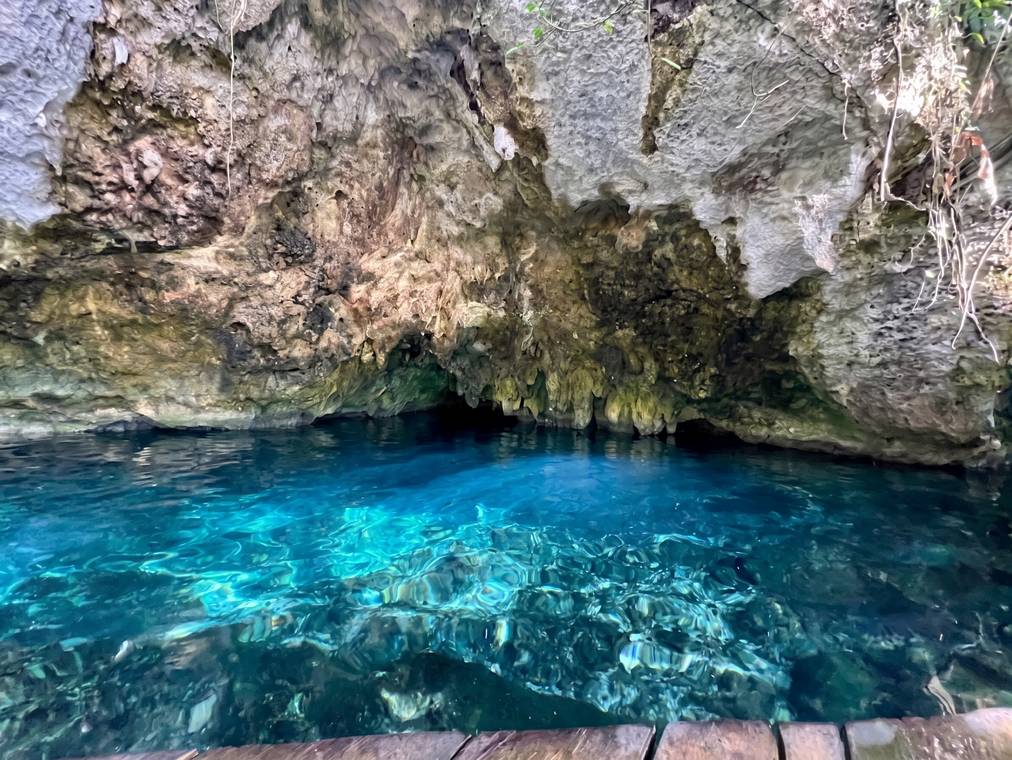
Cenotes are natural freshwater sinkholes carved through limestone, and the Yucatán has thousands of them. Gran Cenote is the classic Tulum entry point. It is a short drive from town, shallow enough for beginners, and clear enough to spot turtles and small fish from the surface.
Guests come back talking about the light. When the sun is high, the water glows a soft blue and green, and the cave ceilings feel like a natural cathedral.
- Rating: 4.3 stars from over 8,200 reviews
- Location: Carretera Tulum-Coba, Quintana Roo
- Best for: first-time snorkelers, families, photography
- Tip: bring reef-safe sunscreen only, and go early to beat the tour groups
Sian Ka’an Biosphere Reserve
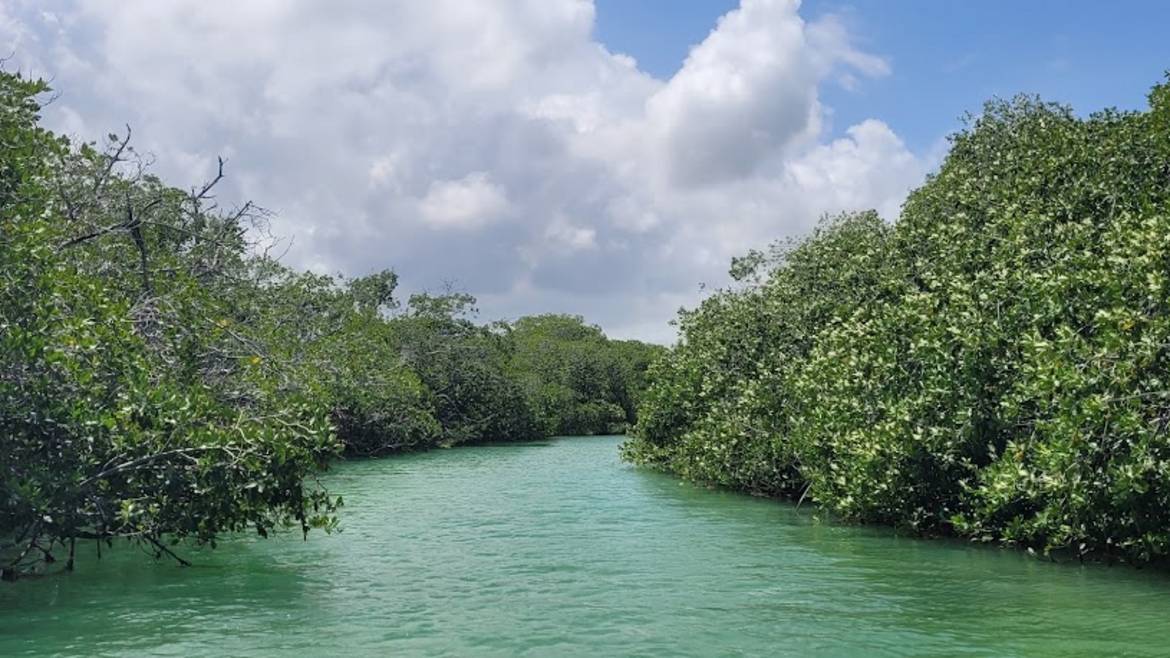
Sian Ka’an is where the party ends and the wild Caribbean begins. This UNESCO reserve is our own backyard at Casa Nalum. It protects more than a million acres of mangroves, jungle, wetlands, and reef, and is home to dolphins, manatees, sea turtles, and hundreds of bird species.
The rhythm here is different from central Tulum. There are no beach clubs and no traffic, just kayak trips, snorkel drifts, and long lagoon boat rides. If you want to understand what Tulum used to feel like, this is where you find it.
- Rating: 4.6 stars from over 4,000 reviews
- Location: Quintana Roo, south of Tulum
- Best for: nature lovers, birdwatchers, quiet travelers
Hartwood
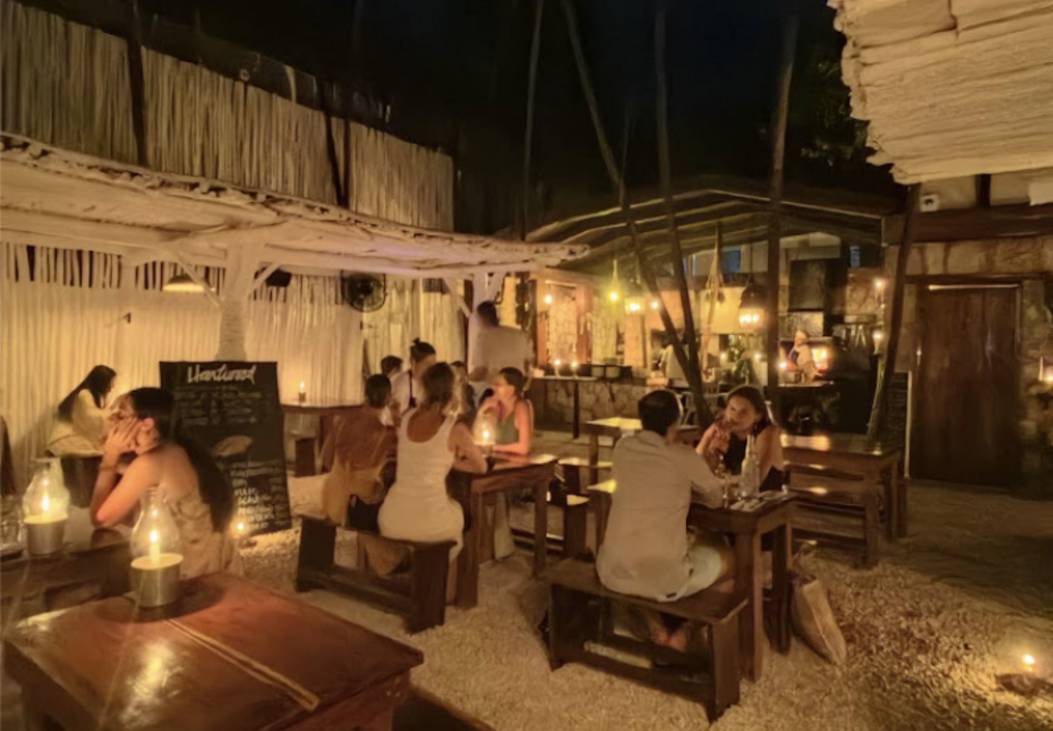
Tulum’s food scene is one of the reasons people keep coming back, and Hartwood is a good example of the local style. Everything is cooked over an open wood fire, the menu changes with what the coast delivers that day, and the whole space is powered by solar. It sits along the jungle side of the beach road.
The vibe is refined but relaxed. Bare feet at the bar, candlelight at the tables, and dishes that lean on Yucatecan flavor.
- Rating: 4.4 stars from over 1,500 reviews
- Hours: Wednesday to Sunday, 6:00 to 10:00 p.m. (closed Mon and Tue)
- Location: Carr. Tulum-Boca Paila, Tulum Beach
- Best for: date night, food-focused travelers, special occasions
AZULIK Uh May and City of Arts
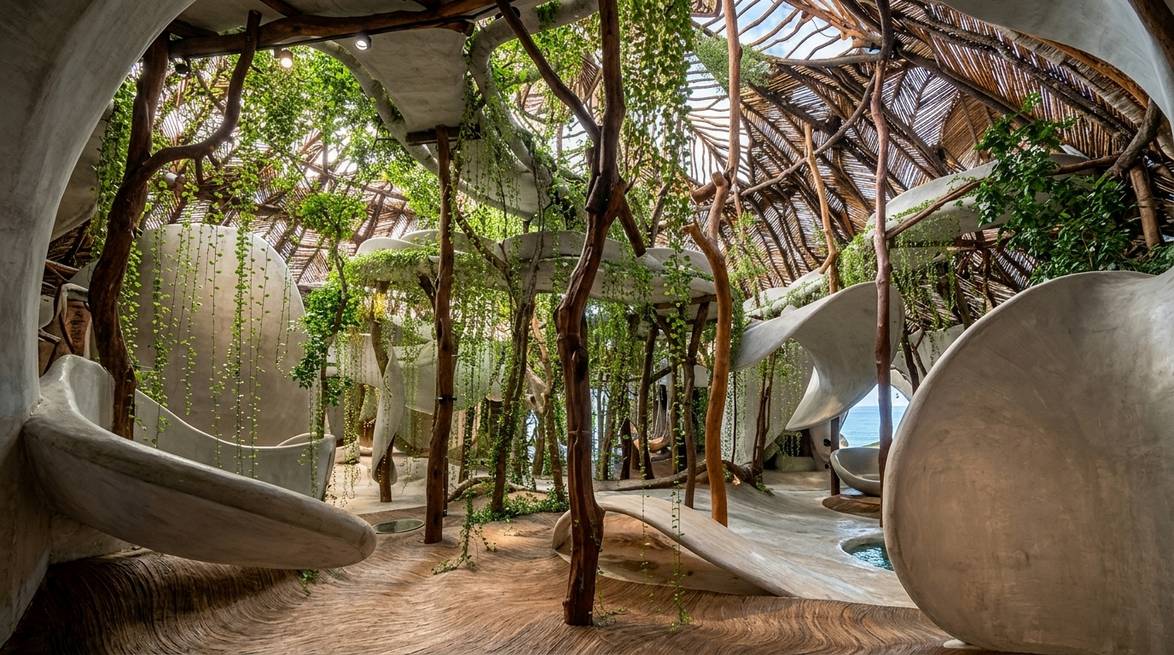
Tulum has a strong design and art streak, and AZULIK Uh May sits at the heart of it. Tucked in the jungle about 30 minutes from town, this creative complex houses galleries, immersive art rooms, and cocoon-like architecture that feels made from vines. You walk barefoot on smooth cement paths, past fig trees and light-filled halls.
It is not a place to rush. Plan on a full afternoon and let the space guide you.
- Rating: 4.6 stars from nearly 700 reviews
- Hours: 10:00 a.m. to 5:30 p.m. daily
- Location: Francisco Uh May, Quintana Roo
- Best for: art lovers, creative travelers, slow afternoons
Mérida: What Colonial Calm Really Feels Like
Mérida is the capital of Yucatán state, about a four-hour drive inland from Tulum. It is much bigger than Tulum, but the historic center feels intimate. Pastel-painted mansions, shaded courtyards, quiet streets, and plazas where families gather every night for free concerts and folk dance shows.
The pace is different too. Mornings are slow and full of coffee. Afternoons are quiet because of the heat. Evenings come alive with music, lights, and the sound of dominoes clacking in doorways. It feels like real, everyday Mexico, and that is the whole point.
💡 Did you know? Mérida is often ranked among the safest cities in the Americas, which is why so many travelers use it as their first-time base for exploring Yucatán.
Plaza Grande
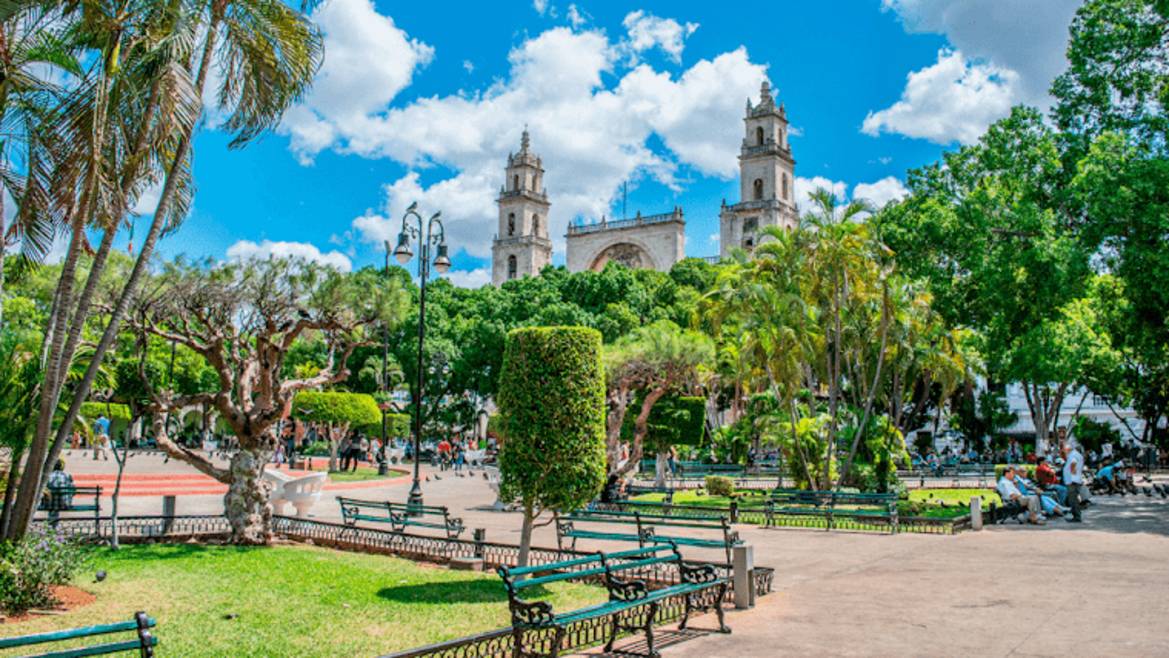
Every trip to Mérida starts and ends at Plaza Grande. It is the main square, ringed by the cathedral, the government palace, and the old mansion of Francisco de Montejo. In the evenings, this is where the city comes together. There are salsa nights on Tuesdays, folk dance on Sundays, and something happening most other nights too.
Bring cash, order a marquesita from a street cart, and just people watch. Guests tell us this is the moment when Mérida clicks.
- Rating: 4.7 stars from over 48,000 reviews
- Hours: open 24 hours
- Location: Calle 60, Centro
- Best for: evening strolls, cultural events, families
Catedral de San Ildefonso
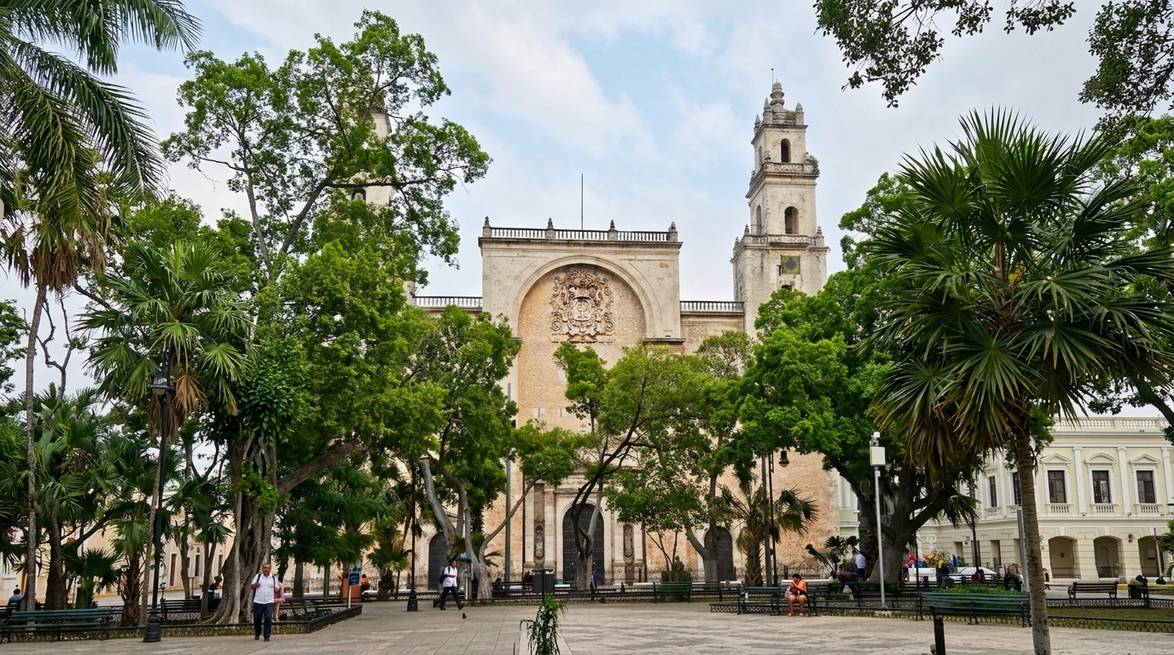
The cathedral on Plaza Grande is one of the oldest in the Americas. Construction began in 1562 using stones from the Mayan city that once stood on the same spot, which tells you a lot about how many layers of history sit here. The exterior is heavy and fortress-like, and the interior is beautifully simple.
Step in during the day for shade and quiet. Come back at night to see it lit against the plaza.
- Rating: 4.7 stars from over 13,400 reviews
- Hours: Monday to Saturday 8:00 a.m. to 12:30 p.m., Sunday 7:30 a.m. to 1:00 p.m.
- Location: Calle 60, Centro, Mérida
- Best for: history buffs, architecture fans
Paseo de Montejo
Paseo de Montejo is Mérida’s grand tree-lined boulevard. It was built in the late 1800s during the henequen boom, when Yucatán’s fiber trade made the region briefly one of the richest in Mexico. The result is a stretch of French-style mansions, tall shade trees, and cafés with tables spilling onto the sidewalk.
Rent a bike on a Sunday morning when the avenue closes to cars. It is one of our favorite ways to see the city like a local.
- Rating: 4.8 stars from over 1,000 reviews
- Location: north of Centro, Mérida
- Best for: leisurely walks, brunch, biking, mansion tours
Mayan World Museum of Mérida
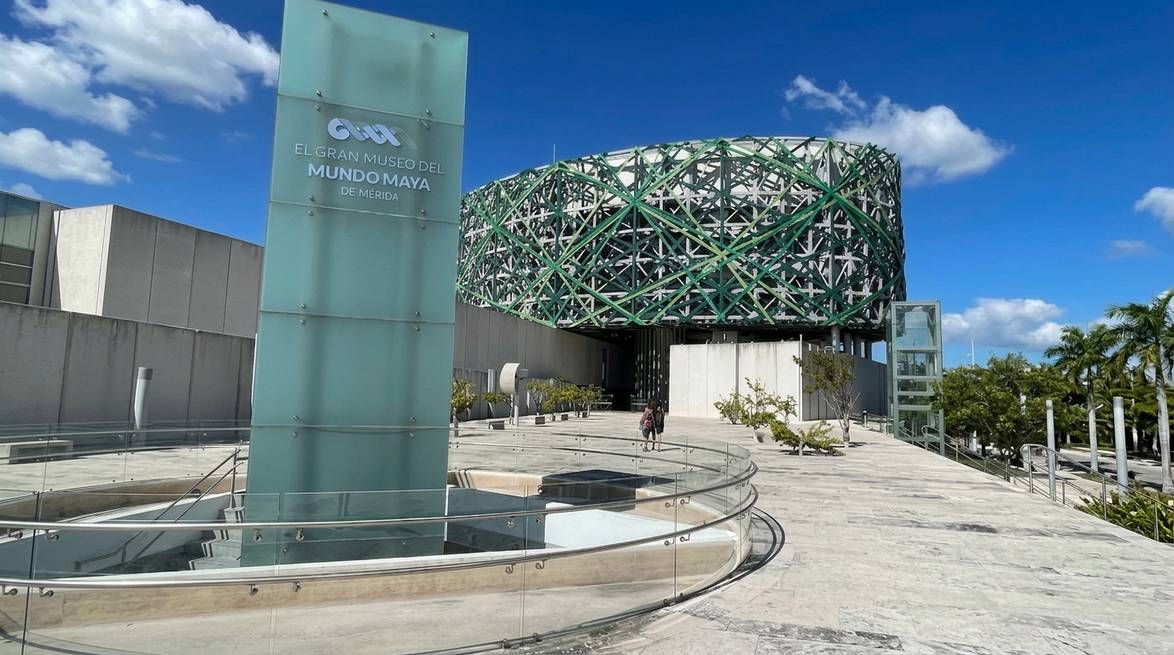
If you want to understand what you are seeing at Chichén Itzá, Uxmal, and the Tulum ruins, spend a morning here first. The Gran Museo del Mundo Maya is a large modern museum with hundreds of artifacts, from stone carvings and jade masks to everyday objects. The exhibits move from creation myths to Maya astronomy to modern Yucatecan life.
Plan on around two hours to explore properly. The air conditioning is a bonus during peak afternoon heat.
- Rating: 4.5 stars from over 13,600 reviews
- Hours: 9:00 a.m. to 4:30 p.m. (closed Tuesdays)
- Location: Calle 60, Unidad Revolución, Mérida
- Best for: history lovers, families, rainy or hot days
Museo Regional de Antropología, Palacio Cantón
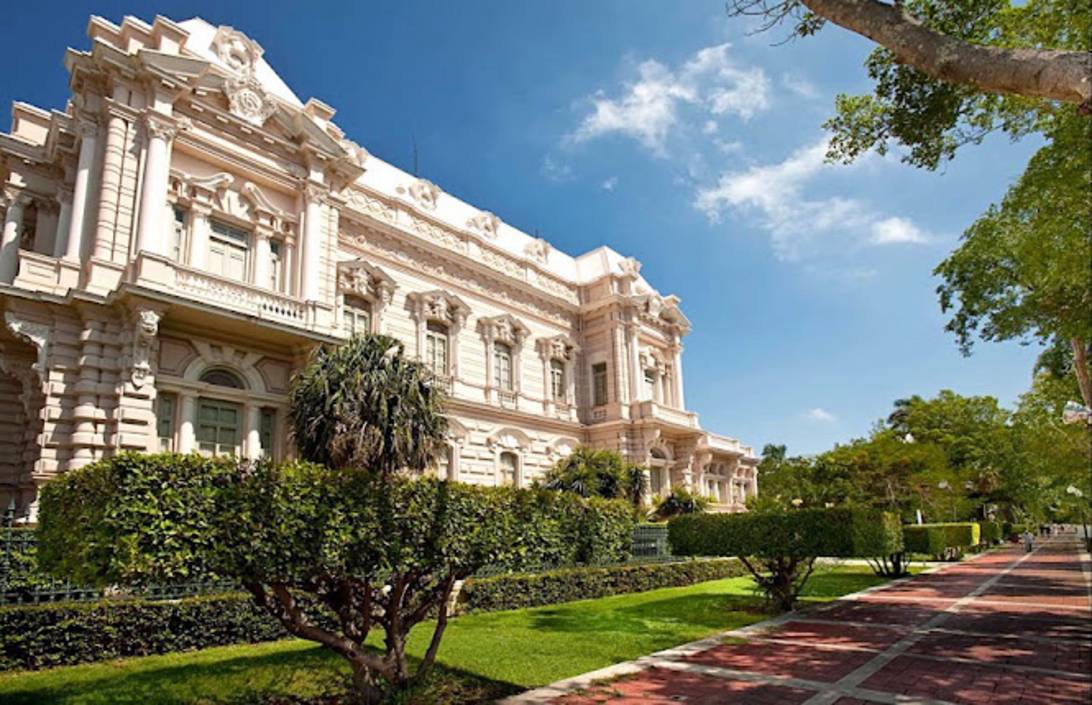
Palacio Cantón is what happens when you turn a Beaux-Arts mansion into a museum. It sits along Paseo de Montejo, marble floors, tall ceilings, curved staircases, and inside you get a compact but strong collection of Mayan artifacts and Yucatecan history. It is easy to combine with a walk down the boulevard.
We often tell guests to visit it right after the Mayan World Museum for a full-day cultural loop.
- Rating: 4.5 stars from over 4,400 reviews
- Hours: Tuesday to Sunday, 8:00 a.m. to 4:30 p.m. (closed Mondays)
- Location: Calle 43 at Paseo Montejo, Centro
- Best for: culture-focused travelers, architecture fans
Teatro José Peón Contreras
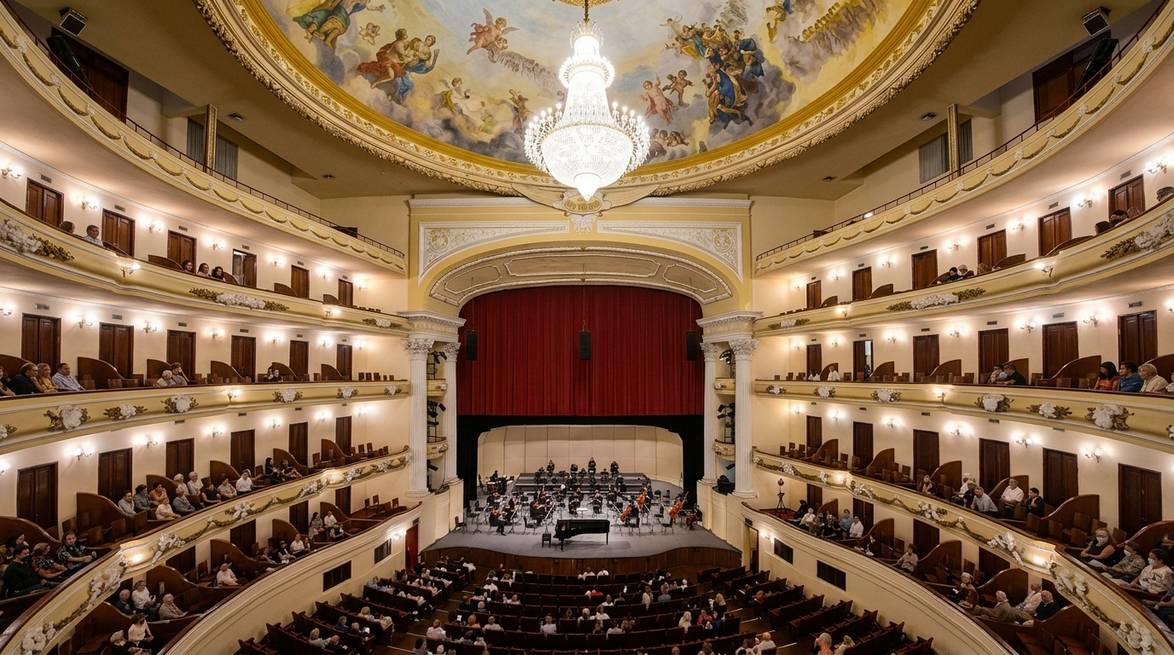
A colonial city rewards travelers who love slow evenings, and Teatro José Peón Contreras is one of Mérida’s best. Built in the late 19th century in a neoclassical style, with a marble staircase and Italian frescoes on the ceiling, it hosts opera, ballet, symphonic concerts, and touring shows most weeks of the year.
Even if you do not catch a show, a quick daytime peek inside is worth the walk.
- Rating: 4.8 stars from over 3,800 reviews
- Location: Calle 60 between 57 and 59, Centro
- Best for: performance lovers, romantic evenings, culture nights
How to Choose (Or Combine) Both
If you only have a few days, pick one. If you have a week or more, do both.
We suggest choosing Tulum first if:
- You want beach every morning and cenote swims every afternoon
- You care about seaside dining and boutique design spaces
- You are on a honeymoon, wellness retreat, or family beach trip
- The Caribbean is what pulled you to Mexico in the first place
Choose Mérida first if:
- You love museums, food markets, and evening plaza culture
- You want a walkable base with easy access to Chichén Itzá and Uxmal
- You are traveling with kids and want more variety inside the city
- You want a more local, slower feel with less tourism markup
For a two-city trip, we usually recommend around four to five nights in Tulum, one night in Valladolid on the drive, and three to four nights in Mérida. Fly into Cancún, drive south to Tulum first, then west through Valladolid, and out of Mérida (MID) at the end. It is easier than backtracking to Cancún.
💡 Local tip: If your flights are locked into Cancún both ways, do Tulum first and Mérida second so you drive back tired but rested, not hot and dusty from a full day of ruins.
Where We Suggest Staying in Tulum
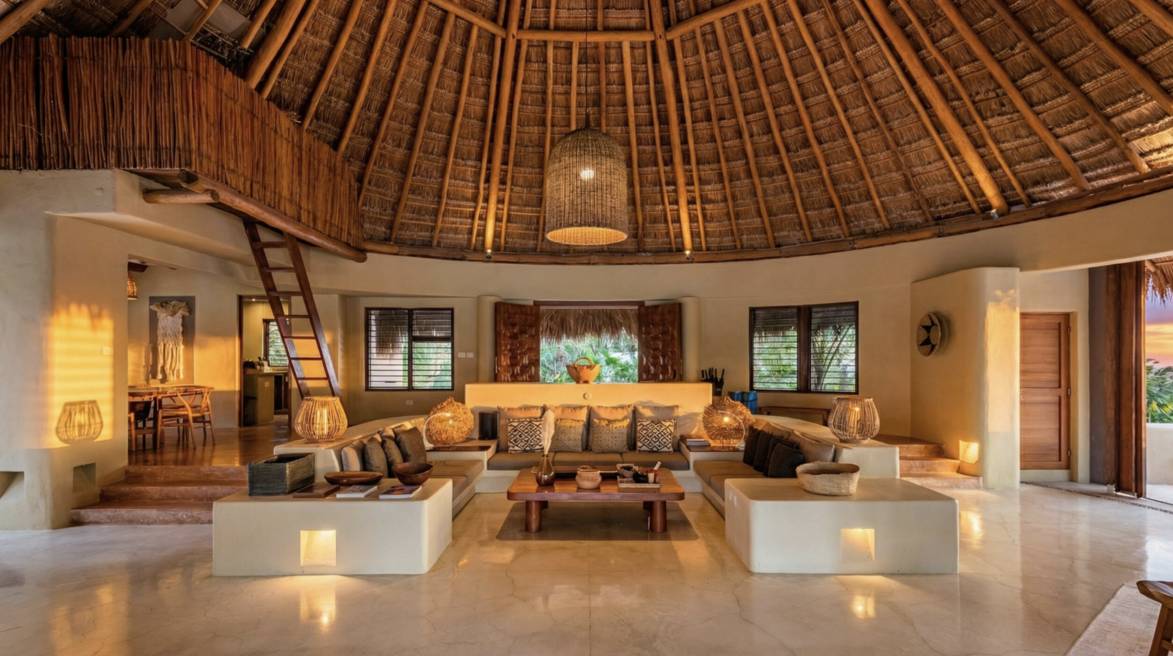
We are a bit biased on this one. At Casa Nalum, we run a private eco-villa set inside the Sian Ka’an Biosphere Reserve, right between the Campechen lagoon and a quiet stretch of Caribbean beach. It is our version of what makes Tulum special: nature, softness, real Yucatecan food, and none of the noise.
If you want to feel the difference between beach town Tulum and colonial Mérida in one trip, we can help you plan the flow. Guests often base their beach days here at Casa Nalum in Sian Ka’an, then drive west for a few nights of colonial culture in Mérida.
You may also enjoy our related guides:
- Tulum vs. Cancun: A Local’s Guide to Choosing Your Style
- Tulum vs. Riviera Maya: Two Paradises, One Right Choice
- Tulum Ruins vs. Chichen Itza: Which One to Visit
- Tulum Excursions: Muyil Ruins, Cenotes, and More
Plan Your Trip With Us
Tulum offers the beach, the cenotes, and the barefoot Caribbean rhythm. Mérida offers the colonial calm, the food scene, and the evenings full of music. Choose one for a short trip, or combine both for the full picture of the Yucatán Peninsula.
Whichever way you go, at Casa Nalum, we are here to help. Our team knows this coast inside out, our private villa gives you the calm side of Tulum, and our team can help you time your trip and design the mix of beach, ruins, and colonial culture that fits your style. When you are ready, we would love to welcome you home to Sian Ka’an.
Frequently Asked Questions
Is Tulum or Mérida better for a first-time Mexico trip?
Both are excellent, and it really depends on the reader’s style. Travelers who prioritize beaches, cenotes, and boho design tend to prefer Tulum. Travelers who prioritize walkable culture, food, and history tend to prefer Mérida. Combining the two is usually the best option when there is a full week or more available.
How far is Mérida from Tulum by car?
The drive is about four hours on toll highways and roughly 300 km. Most travelers break it up with a lunch or overnight in Valladolid, which sits about halfway.
Is Mérida safer than Tulum?
Mérida is regularly ranked among the safest cities in the Americas, and it does feel very calm to visit. Tulum is generally safe for tourists too, but it is a busier tourist zone with more scams and traffic issues, so basic precautions matter.
When is the best time to visit Tulum and Mérida together?
Late November through early December and late February through March are the sweet spots. The weather is dry, hurricane risk is low, and inland Mérida is warm but not extreme. April and May are hotter but often cheaper.
Do I need a car to enjoy Yucatán?
A rental car helps a lot for cenotes and ruin visits, especially near Tulum. Mérida itself is easy to enjoy on foot or by Uber, but a car is convenient for day trips to Uxmal, haciendas, and the Gulf coast.
Is Mérida too hot to enjoy?
It can be hot, especially April through September. Locals adjust by working and touring in the morning, resting in the afternoon, and coming out again in the evening. If a room has good air conditioning and a small pool, most travelers find it very comfortable year-round.