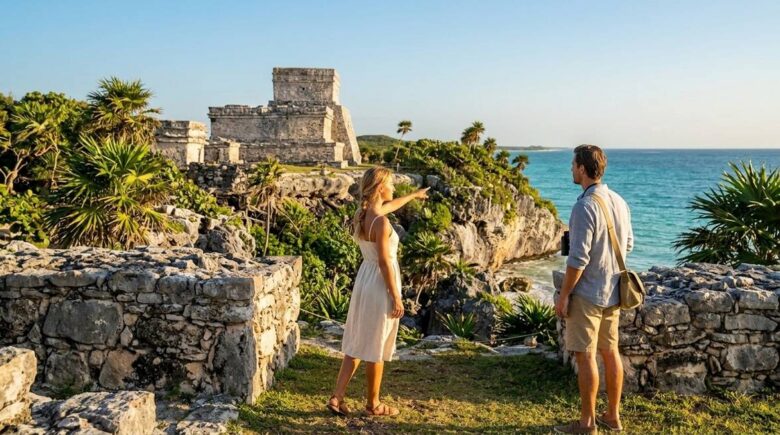
You are staring at the map of Quintana Roo, one week of vacation in hand, and the same question keeps popping up: Tulum vs Bacalar, which one wins your time?
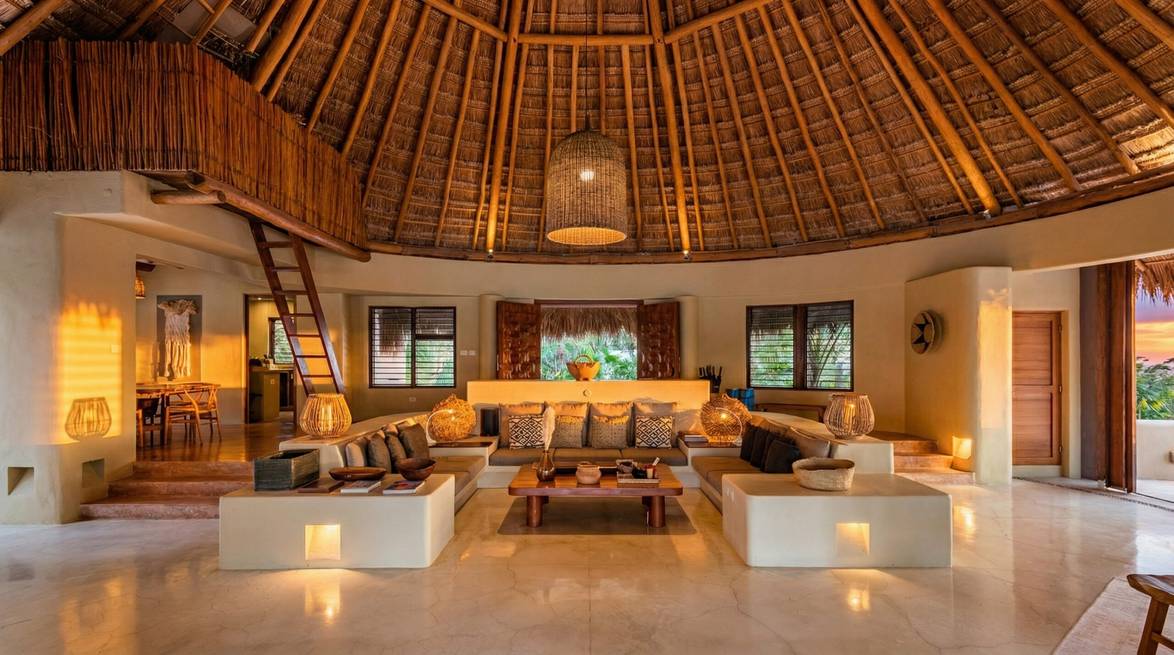
We live in the middle of it. Casa Nalum sits inside the Sian Ka’an Biosphere Reserve, just south of Tulum, between a Mayan lagoon and the Caribbean Sea. Guests ask us this question almost every week, and the honest answer is that both towns are wonderful, they simply solve different problems.
Tulum is your cliff-top Mayan ruins, cenotes, jungle beach clubs, and international dinner scene. Bacalar is a serene freshwater lagoon three shades of blue deep, quiet mornings on a paddleboard, and a colonial fort with pirate stories. In this guide we compare them side by side, share the specific spots we send guests to, and show you how to fold both into one trip if a week gives you enough runway.
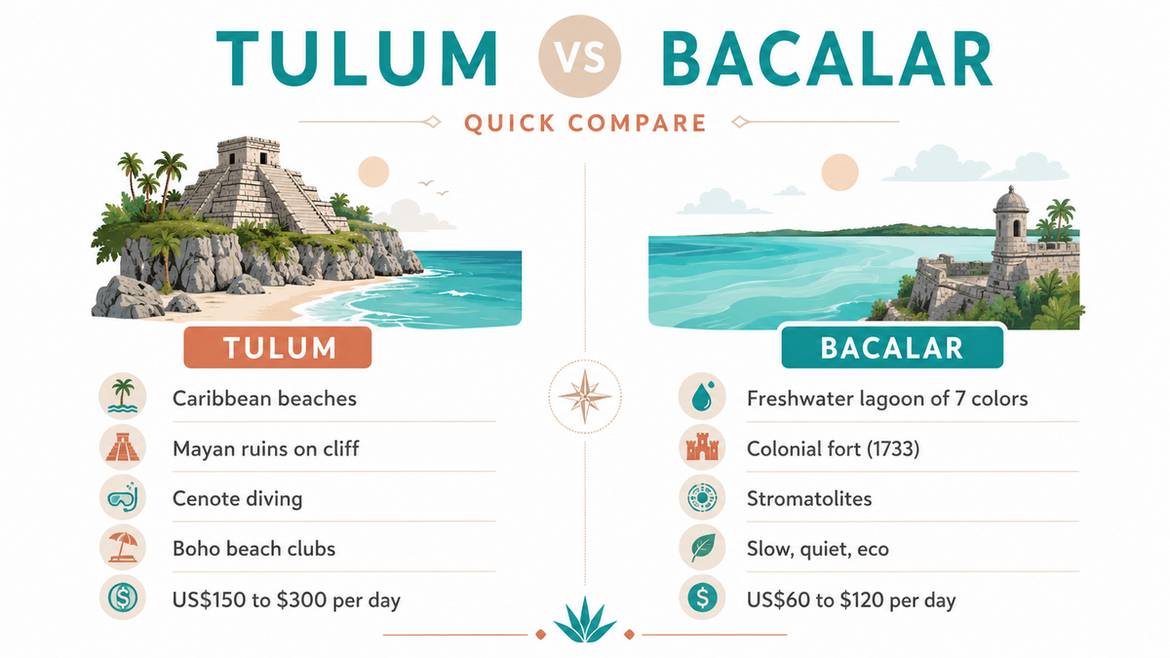
Tulum vs Bacalar at a Glance
Before we dive into individual spots, here is the quick snapshot our concierge shares over WhatsApp when guests are planning:
- Main water: Tulum gives you the Caribbean Sea (waves, white sand, seasonal seaweed). Bacalar gives you a shallow freshwater lagoon of seven colors (glass-flat, sargassum-free year round).
- Signature sights: Tulum has cliff-top Mayan ruins, cenote diving, and the Sian Ka’an Biosphere. Bacalar has the lagoon itself, a 1733 colonial fort, and living stromatolites.
- Vibe: Tulum is cosmopolitan, design-heavy, and social. Bacalar is small-town, slow, and eco.
- Nightlife: Tulum runs late (beach clubs, DJ nights). Bacalar dinners wrap up early and you sleep to cricket sounds.
- Cost: Mid-range travelers spend roughly US$150 to US$300 a day in Tulum, and US$60 to US$120 a day in Bacalar.
- Drive time between them: About 2 hours 40 minutes on Highway 307, or a direct ADO bus in roughly 2.5 to 3 hours.
If you want maximum activity variety and a taste of the “Riviera Maya” everyone talks about, lean Tulum. If you want to slow your heart rate down and float on shallow blue water for three days, lean Bacalar. If you have seven or more nights, do both.
Bacalar: The Freshwater Alternative
Bacalar earned its Pueblo Mágico status for a reason. The lagoon is 42 kilometers long, shockingly clear, and lined with small hotels, docks, and swings that hang over the water. Days here revolve around boats, kayaks, breakfast on a deck, and short drives to Mayan ruins that most travelers have never heard of.
Bacalar Lagoon (Laguna de los Siete Colores)
The Lagoon of Seven Colors is the whole reason people come to Bacalar. It is fresh water, shallow enough in many stretches to stand up in, and sunlight refracts across the white limestone bottom to produce stripes of turquoise, cobalt, teal, and jade. A shared three-hour boat tour usually costs 350 to 500 MXN per person and hits the sandbar, Bird Island, and two or three cenotes that open directly into the lake.
- Rating: 4.8 stars (1,426 reviews)
- Location: Bacalar, Quintana Roo
- Best time: Sunrise, or a late afternoon sail as the light turns gold
- Tip: Bring reef-safe sunscreen only. Regular sunblock is banned to protect the stromatolites.
One recent guest put it well: “Every shade of blue you can imagine. Mangrove alley. Place to make plans for some two to three days of true bliss.”
Canal de los Piratas
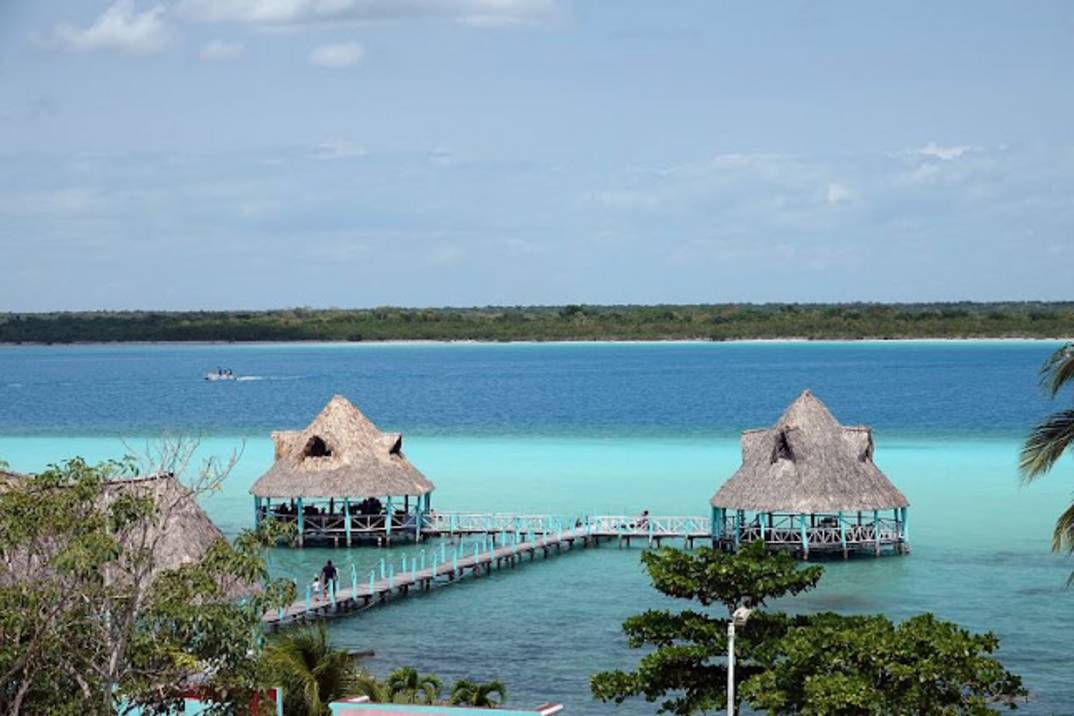
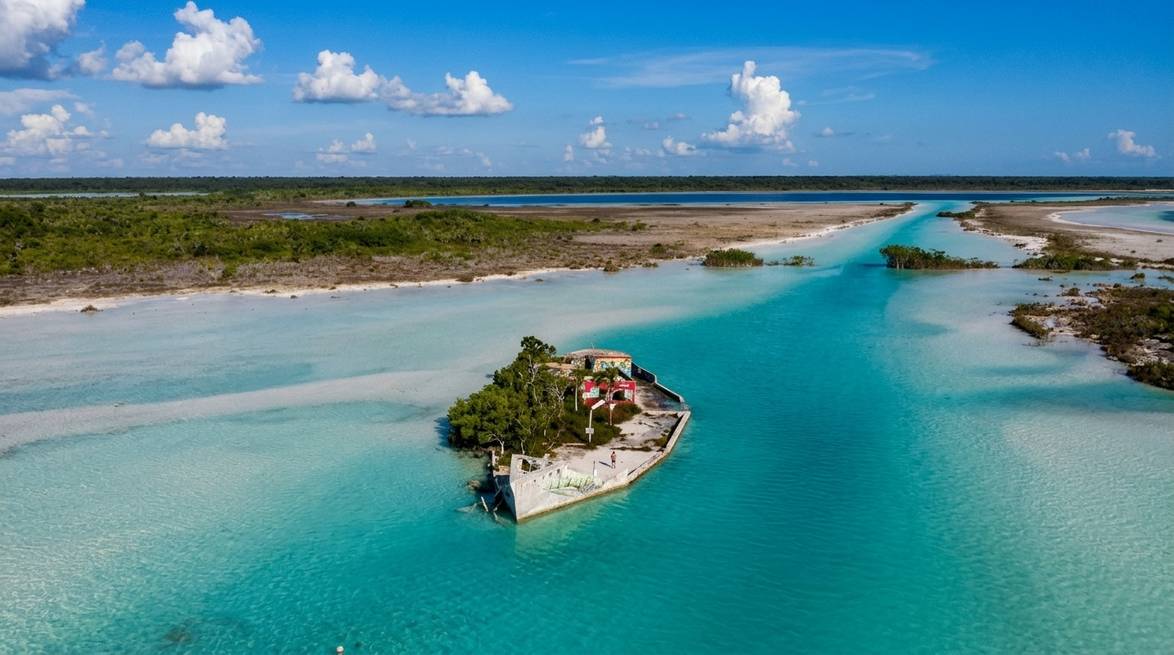
A shallow, brilliant turquoise channel that boat tours anchor in for an hour so everyone can wade, float, and slather on the sulfur-white lagoon mud that locals sell as a natural body scrub. Pirates used to hide their ships in this cut on their way to attack the fort. Today it is the postcard everyone wants.
- Rating: 4.9 stars (4,521 reviews)
- Access: Boat tour from Bacalar town (roughly 3 hours round trip)
- Bring: Water shoes, waterproof phone case, a towel for the mud
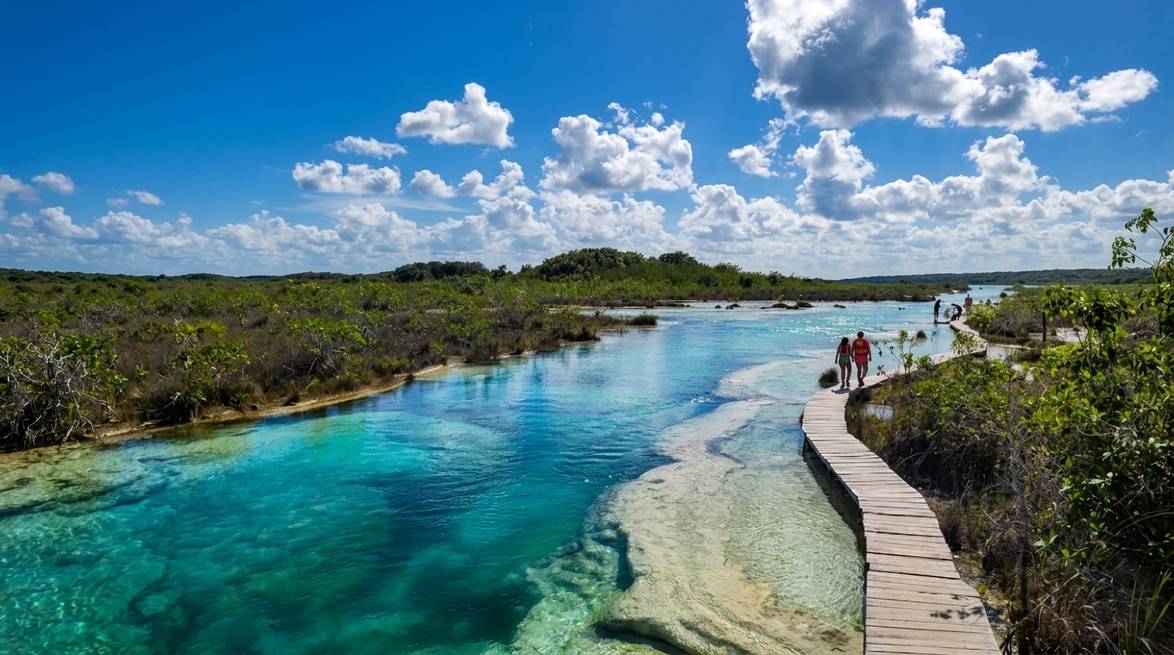
Los Rápidos de Bacalar
A short drive south of town, the lagoon narrows into a fast-moving natural channel lined with stromatolites. You put on a life jacket, launch yourself upstream, and drift back down at about the pace of a lazy river ride. The onsite club has hammocks, a dock, and simple ceviche and beer service. Plan half a day.
- Rating: 4.1 stars (5,844 reviews)
- Entry: Around 300 MXN per person including life jacket
- What to order: Aguachile with a cold Modelo after the second float
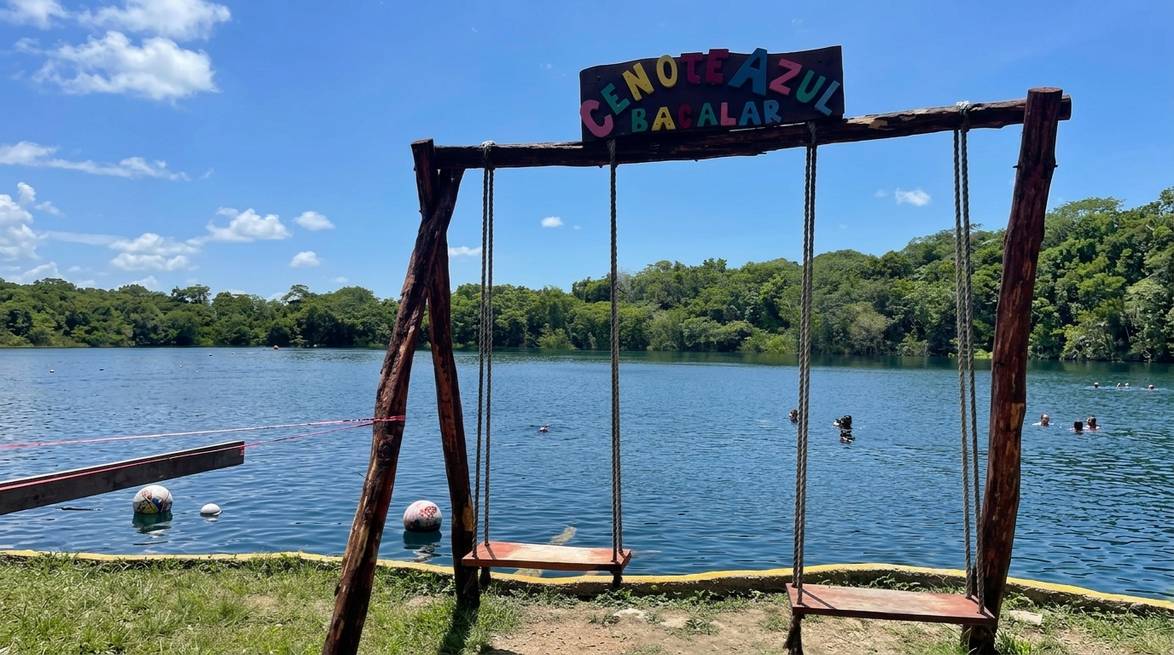
Cenote Azul
Just outside town on the highway toward Chetumal, Cenote Azul is a nearly perfect circle of open cenote water about 90 meters across and 90 meters deep in the center. There is a wooden platform for jumping, shallow edges for kids, and a lakefront restaurant behind it. Entry runs about 40 MXN.
- Rating: 4.3 stars (9,178 reviews)
- Hours: Roughly 10:00 to 18:00 daily
- Skill level: Anyone comfortable in deep water; life jackets available
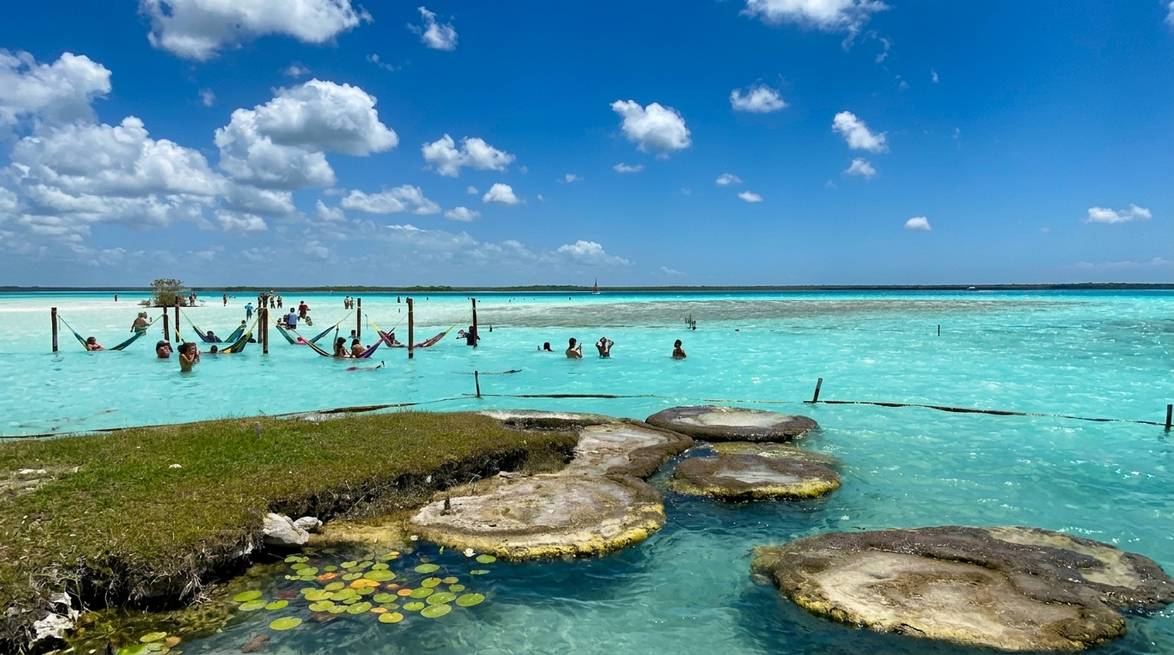
Cenote Cocalitos
Cocalitos is the easiest place in the world to see stromatolites, the living rock formations built by microbes that are cousins to the very first life on Earth. There is a beach club with tree swings and a shallow swim area between the stromatolite fields. Please do not walk on them; the ones you touch die in minutes.
- Rating: 4.6 stars (4,757 reviews)
- Entry: Around 150 MXN
- Must know: No sunscreen, no soaps, no touching the stromatolite reefs
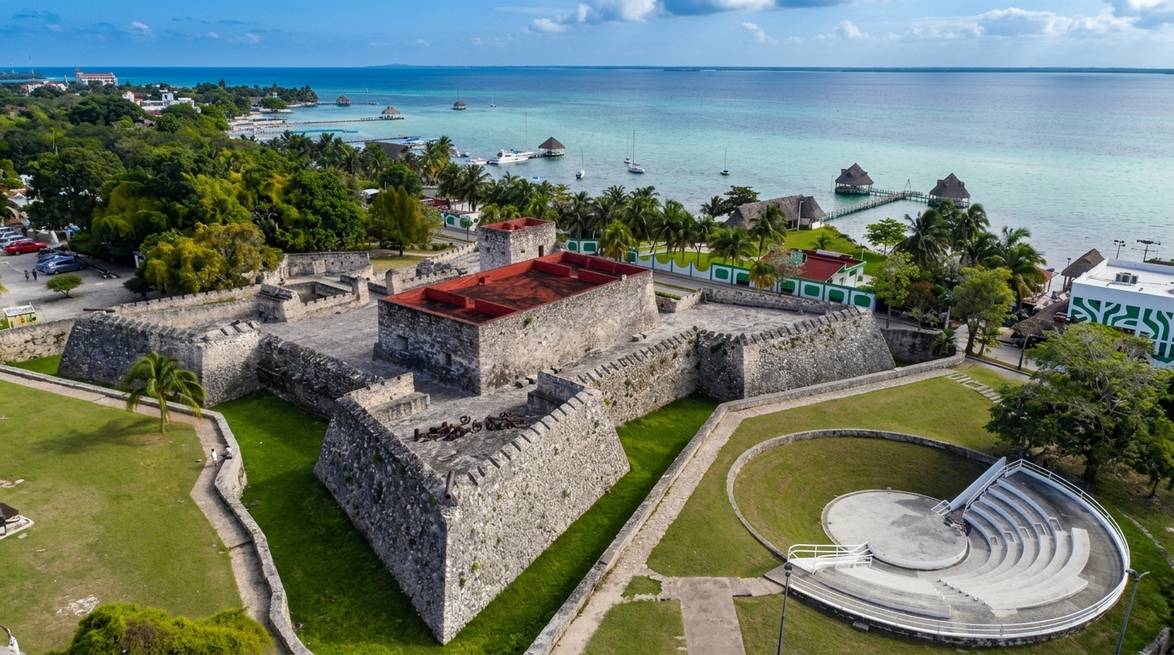
Fuerte de San Felipe de Bacalar
The stone fort was designed by Italian architect Juan Podio and finished in 1733 to defend the town from Caribbean pirates who used to sack it every few decades. Since the 1980s it has served as a museum with rooms on colonial history, pirate raids, and Mayan artifacts. Climb the ramparts for the best free view of the lagoon in town.
- Rating: 4.6 stars (17,860 reviews)
- Hours: Tuesday to Sunday, roughly 9:00 to 19:00
- Entry: About 100 MXN
Tulum: The Iconic Riviera Maya Base
Tulum packs the greatest hits of the Yucatán Peninsula into one town: Mayan ruins on a Caribbean cliff, an outrageous density of cenotes in the surrounding jungle, one of the largest protected biospheres in the Americas, and a food and hotel scene that pulls travelers from every continent. It costs more and gets busier, but no other town on the peninsula gives you this much within a 30-minute drive.
Tulum Archaeological Zone
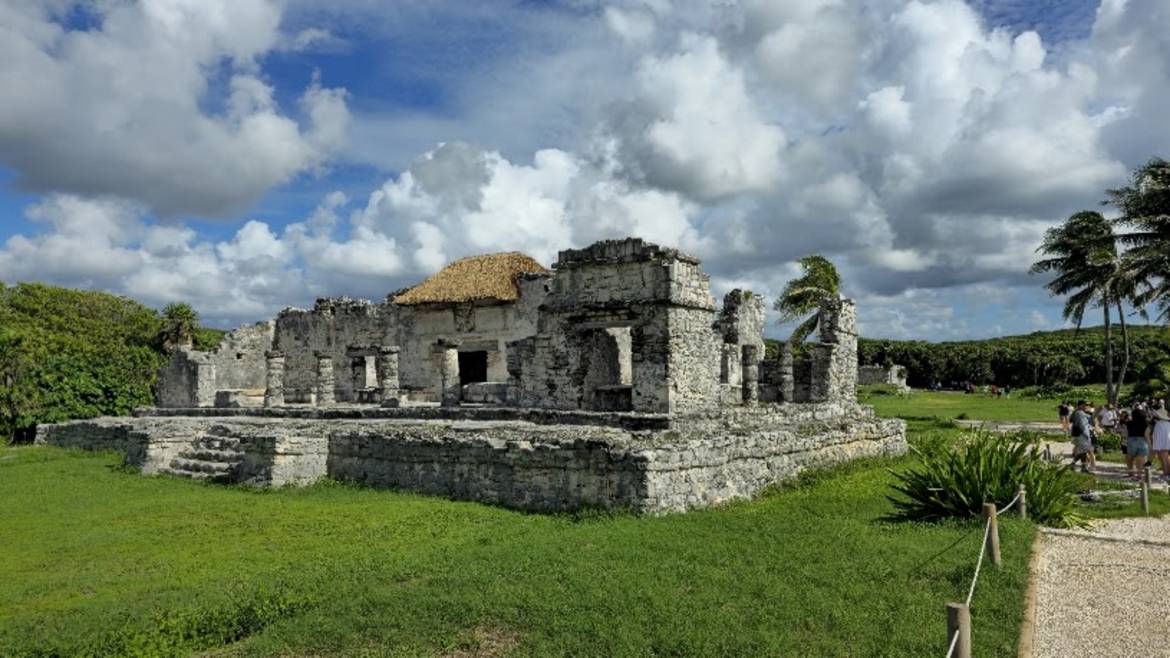
Tulum’s ruins are the third-most-visited archaeological site in Mexico, and the only major Mayan site perched on a cliff above the sea. Temples date to the 13th to 15th centuries. Arrive at 8:00 am for cool light, thin crowds, and the option to descend the wooden stairs to the small beach tucked below.
- Rating: 4.7 stars (71,621 reviews)
- Hours: 8:00 to 17:00 daily
- Entry: Around 100 MXN plus a small parking and shuttle fee
- Tip: You can walk from the parking lot (about 20 minutes) or take the shuttle train
Gran Cenote
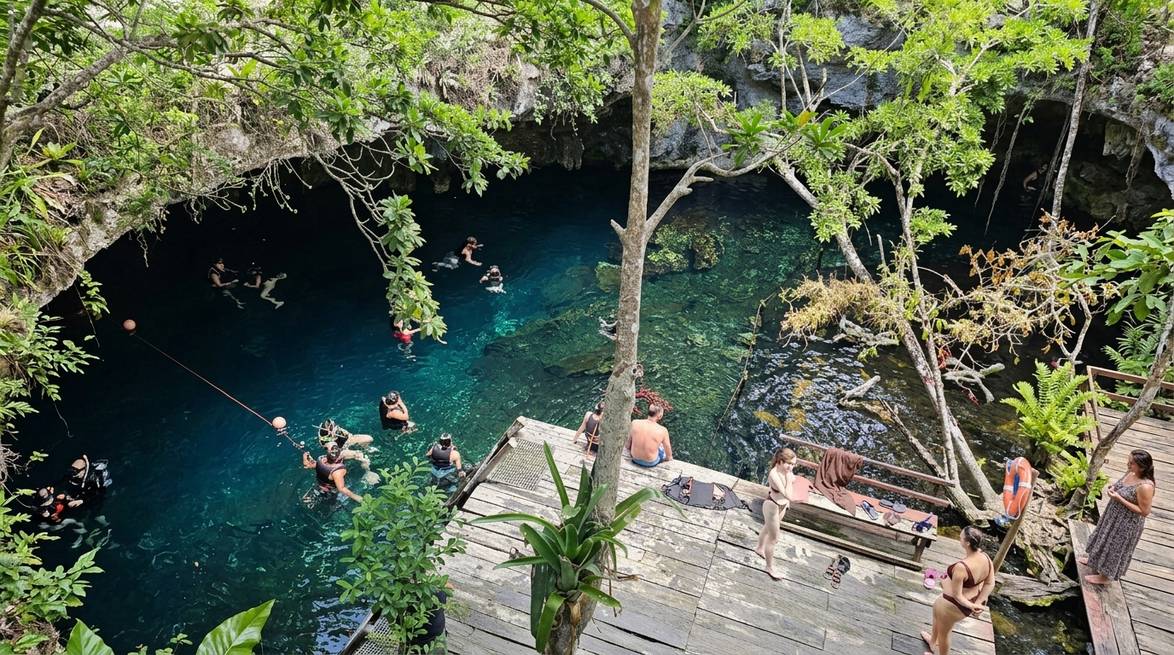
Ten minutes west of Tulum on the road to Cobá, Gran Cenote is the entry-level cenote everyone remembers. Two connected pools with crystal-clear water, small caves you can snorkel through, and freshwater turtles that idle around your fins. Rental snorkel gear is available at the entrance.
- Rating: 4.3 stars (8,265 reviews)
- Hours: 8:00 to 17:00 daily
- Entry: Around 500 MXN
- Bring: Your own snorkel to save on rental, and be ready to shower before entering
Cenote Dos Ojos (Two Eyes)
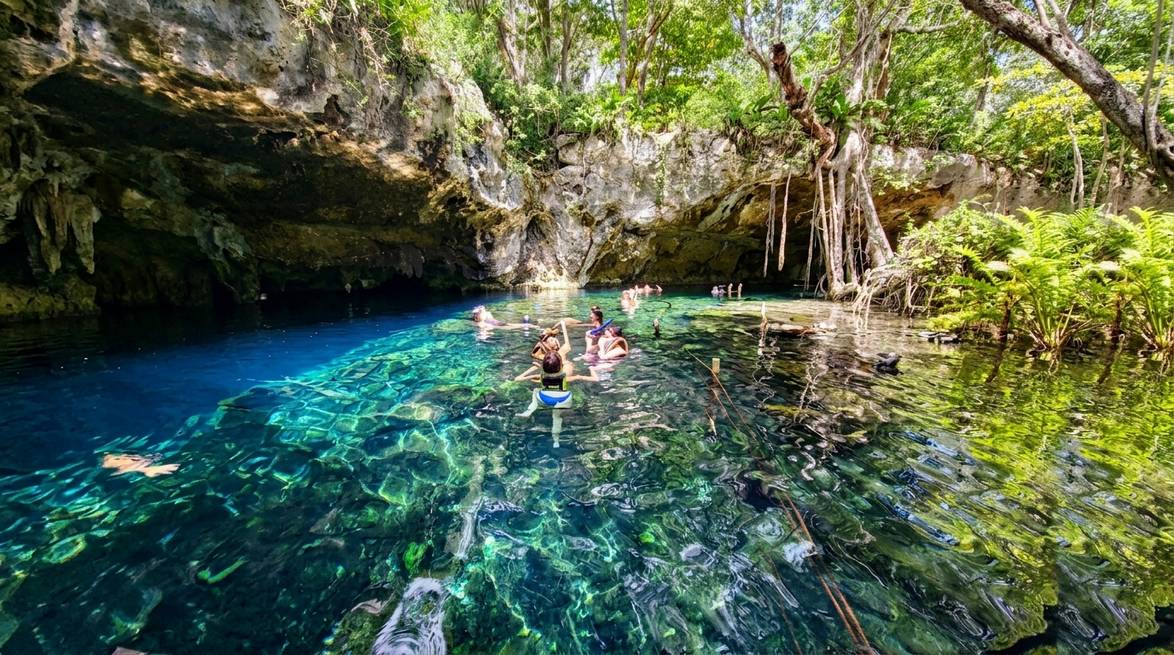
Two large connected sinkholes north of town that form one of the longest known underwater cave systems on Earth. Certified divers explore the “Barbie Line” and “Bat Cave” routes. Snorkelers get shallower ceilings and daylight beams that punch through the water like theater lights.
- Rating: 4.7 stars (7,890 reviews)
- Hours: 9:00 to 17:00 daily
- Entry: Around 350 MXN
- Great for: Beginner divers, adventurous snorkelers, families with older kids
Cenote Calavera
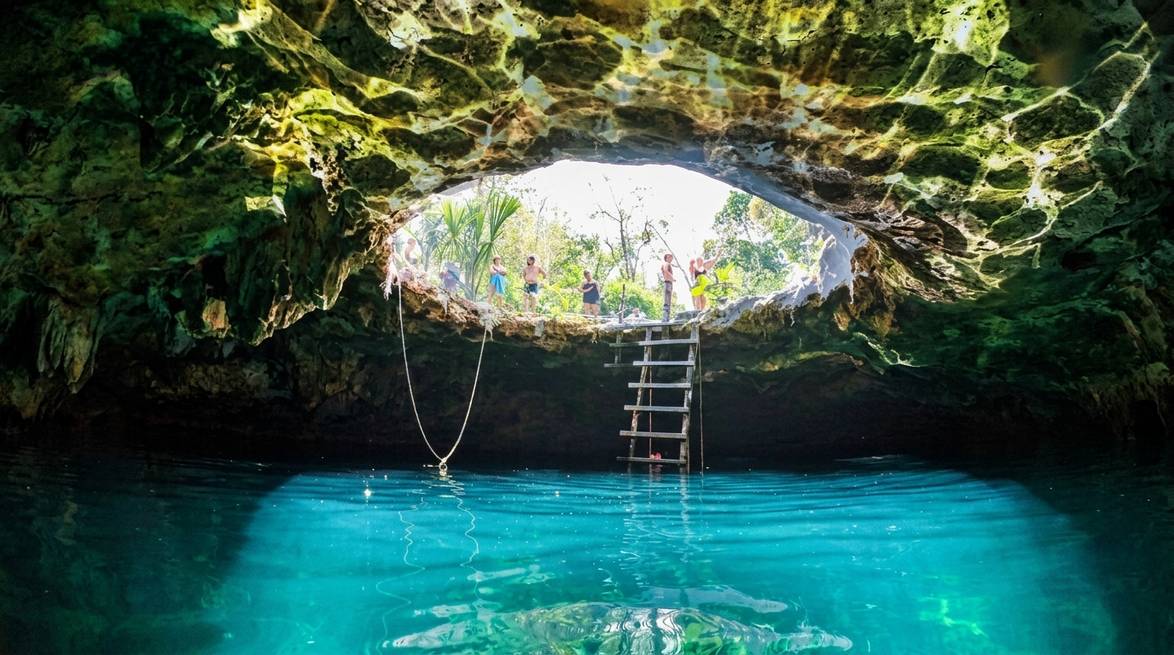
Nicknamed the Temple of Doom for the three circular holes in its rock ceiling, Cenote Calavera is a quirky jump spot popular with a slightly younger crowd. There is a rope swing, a wooden ladder for gentler entry, and cool freshwater below. It sits within walking distance of the pueblo.
- Rating: 4.1 stars (2,510 reviews)
- Hours: 8:00 to 17:00 daily
- Entry: Around 250 MXN
Sian Ka’an Biosphere Reserve
The Sian Ka’an Biosphere Reserve stretches 1.3 million acres south of Tulum and includes mangrove rivers, ancient Mayan canals, dolphin habitat, and long stretches of undeveloped Caribbean coast. Casa Nalum is inside it. Guided boat tours from Muyil float you down natural canals dug by the Maya, with snorkel stops in warm freshwater rivers.
- Rating: 4.6 stars (4,060 reviews)
- Best guided experiences: Mangrove float tours from Muyil, kayak birding trips at dawn, snorkel and dolphin-spotting trips from Punta Allen
- Bring: Reef-safe sunscreen (required inside the reserve), binoculars, a hat
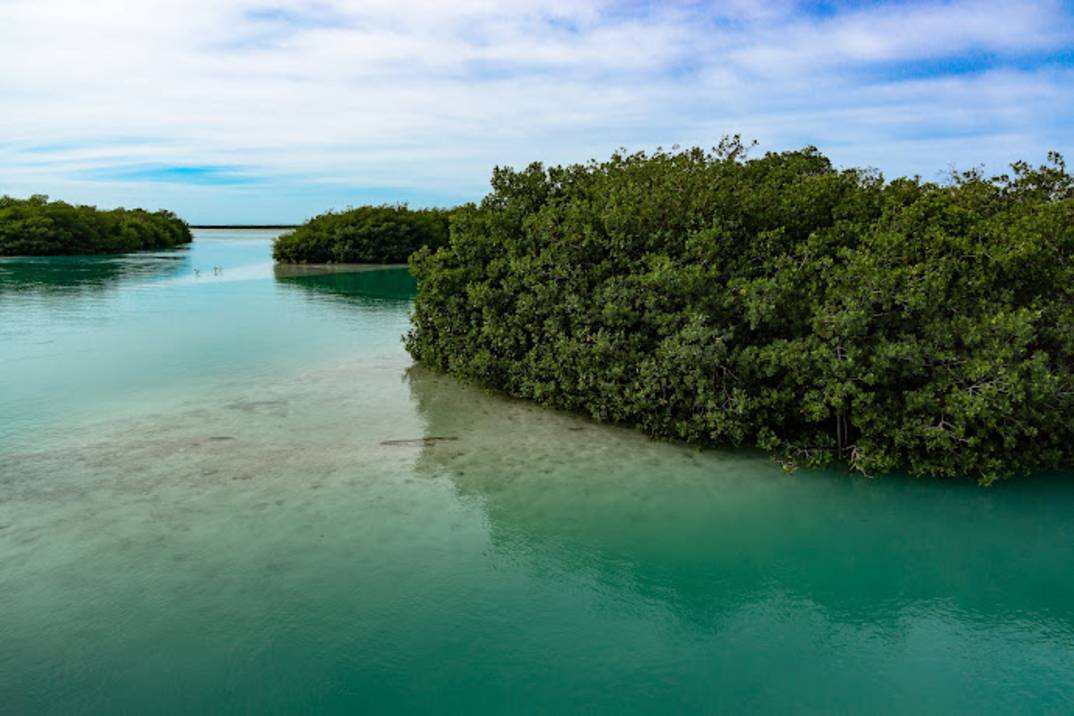
If Sian Ka’an is on your radar, our 10 best excursions in Tulum and top 5 eco-tours in Sian Ka’an walk through every option.
Laguna Kaan Luum
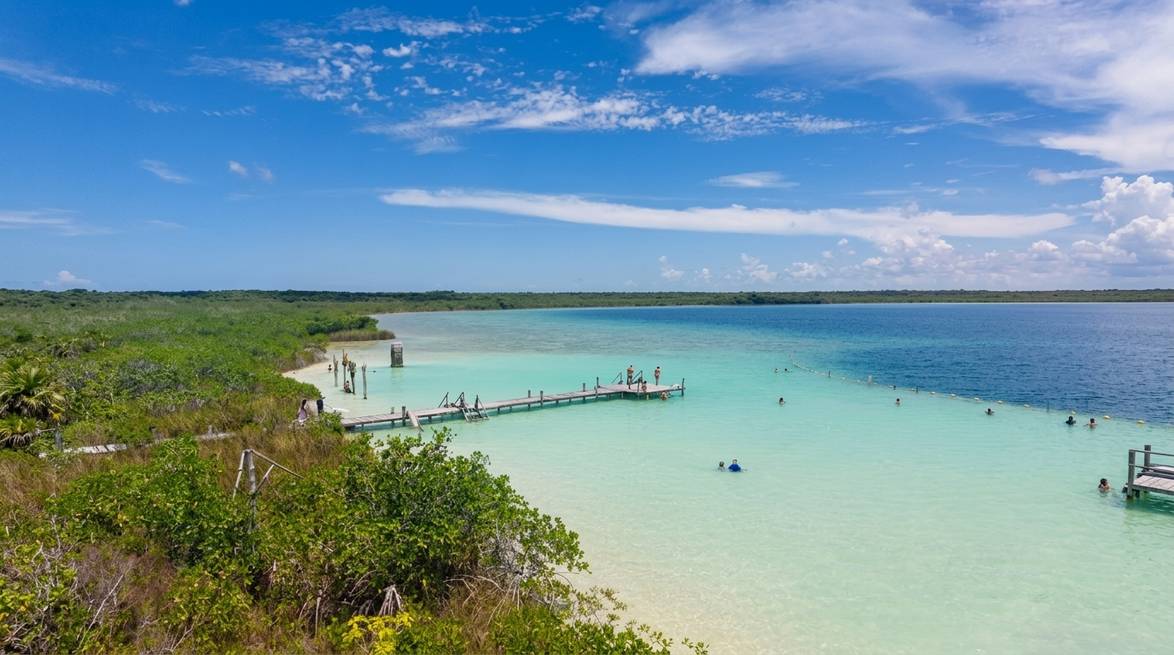
A shallow turquoise lagoon just south of Tulum town with a deep 80-meter cenote in the middle. It looks like a mini Bacalar and is a great “test drive” if you want to see whether you would love a full Bacalar trip. Bring a life jacket if you plan to swim over the deep center.
- Rating: 4.6 stars
- Entry: Around 100 MXN
- Great for: Half-day paddleboard and lagoon-swim afternoons
Cost, Vibe, and Best Time to Visit
Cost. Tulum runs 2 to 3 times the daily budget of Bacalar for comparable comfort. A boutique hotel on the Tulum beach road often prices at US$300 to US$600 a night. In Bacalar, a lagoon-front boutique room lands closer to US$100 to US$200. Meals, taxis, and tours follow the same pattern. A single fresh coconut on the Tulum beach road runs 80 to 120 MXN. In Bacalar it is 30 to 50 MXN.
Vibe. Tulum is a busy, international scene. You will meet travelers from Berlin, São Paulo, and Brooklyn, hear house music at 2 am, and pass at least one wellness studio for every taco stand. Bacalar feels like an older Mexican pueblo mágico. Businesses still shut for lunch. Evenings end with dinner on a dock and stars over the lagoon.
Best time to visit.
- Tulum: Late November through early March is the sweet spot for beach conditions (mild temperatures, low humidity, minimal sargassum). Late April through October is cheaper and hotter, and the beaches get seaweed. Cenotes and ruins are fine year round.
- Bacalar: December through March is the classic dry-season window. September and October carry storm risk. There is no sargassum season here because it is a freshwater lagoon, so summer works better in Bacalar than in Tulum if you must travel then.
If you need a deeper hurricane-season read, our hurricane season Tulum guide and our seaweed and sargassum update are the two most useful posts on our blog for anyone planning between June and October.
How to Combine Tulum and Bacalar in One Trip
Good news: you do not have to choose. The two towns are 211 kilometers apart, about a 2 hour 40 minute drive on Highway 307, or roughly 2.5 to 3 hours on a direct ADO bus (fares around 260 MXN). The new Tren Maya also runs the route in about 2 hours with tickets around US$15 to US$20, though schedules are less frequent than the bus.
Our favorite one-week and two-week itineraries:
7-day version (Tulum-first)
- Nights 1 to 4: Base in Tulum. One day for the ruins and Playa Paraíso. One day for a cenote circuit (Gran Cenote plus Dos Ojos). One day inside Sian Ka’an. One flex day for the beach or a dinner along the hotel zone.
- Nights 5 to 7: Bus or drive to Bacalar. Day 1 a full lagoon boat tour. Day 2 Los Rápidos and Cenote Cocalitos. Day 3 the fort and a sunrise paddle before your bus back north.
10 to 14 day version (best overall)
- Nights 1 to 5: Tulum and Sian Ka’an
- Nights 6 to 9: Bacalar (add Kohunlich and Chacchoben as day trips)
- Nights 10 to 14: A short return to Tulum or a swing through Isla Holbox
Reddit and travel forums often ask whether Bacalar works as a day trip from Tulum. Technically yes, practically no. You will spend more time on the bus than in the lagoon. Give it at least one night, ideally two or three.
The Verdict
Tulum vs Bacalar is really Tulum plus Bacalar for anyone with the time. Tulum wins for iconic sights, cenotes, food, and range of activities. Bacalar wins for calm water, cost, and the sense of a small Mexican town that still feels like itself. If forced to choose, go where your energy points: a week of nightlife, boutiques, and adventure sports? Tulum. A week of slow mornings on the water and Mayan history off the beaten track? Bacalar.
If you would rather have both, base yourself in Tulum for the culture and coast, and add two or three nights on Bacalar’s lagoon for the reset. When you are ready to plan, check availability at Casa Nalum or drop our concierge a line. We map out itineraries like this for guests every week.
Frequently Asked Questions
Is Bacalar worth visiting if I only have a week?
Yes, if you can spare at least two nights there. The lagoon is unlike anywhere else in Mexico, and the drive from Tulum is manageable. Under two nights it is not worth the transit.
Which is safer, Tulum or Bacalar?
Both are generally safe for tourists who take standard precautions. Bacalar is smaller, quieter, and has less nightlife-related crime. Tulum is safe in daylight and inside hotel zones; be mindful late at night in the beach zone bars.
How do I get from Cancun Airport to Bacalar?
Direct ADO buses from Cancun’s ADO terminal reach Bacalar in about 4.5 to 5 hours. Driving is similar. Some travelers fly into Chetumal instead, which is 30 to 45 minutes by taxi. If you are also stopping in Tulum, break the trip: Cancun to Tulum, then Tulum to Bacalar.
Is the Bacalar lagoon really seven colors?
The name is poetic more than literal. On a sunny day you can count at least four to five distinct blues from a boat, thanks to varying depths and the white limestone bottom. On a cloudy day the colors flatten. Sunny early mornings are the best window.
Do I need a rental car for a Tulum and Bacalar trip?
Not strictly. Colectivos, ADO buses, and shuttles cover the main routes reliably. A car makes cenote-hopping and Sian Ka’an mornings much easier, so many guests rent one for the Tulum leg and use the bus between towns.
What is the closest thing to Bacalar you can visit near Tulum?
Laguna Kaan Luum, just south of Tulum. It is shallow, turquoise, and half an hour from the pueblo. It is smaller and busier than Bacalar but gives you a taste of the same lagoon look.